Heat Wave Especially Dangerous for Heart Patients: Tips for a Safe Summer
In hot weather, the heart pumps up to four times more blood per minute, putting weakened patients at risk of complications. Here are key precautions.
In hot weather, the heart pumps up to four times more blood per minute, putting weakened patients at risk of complications. Here are key precautions.
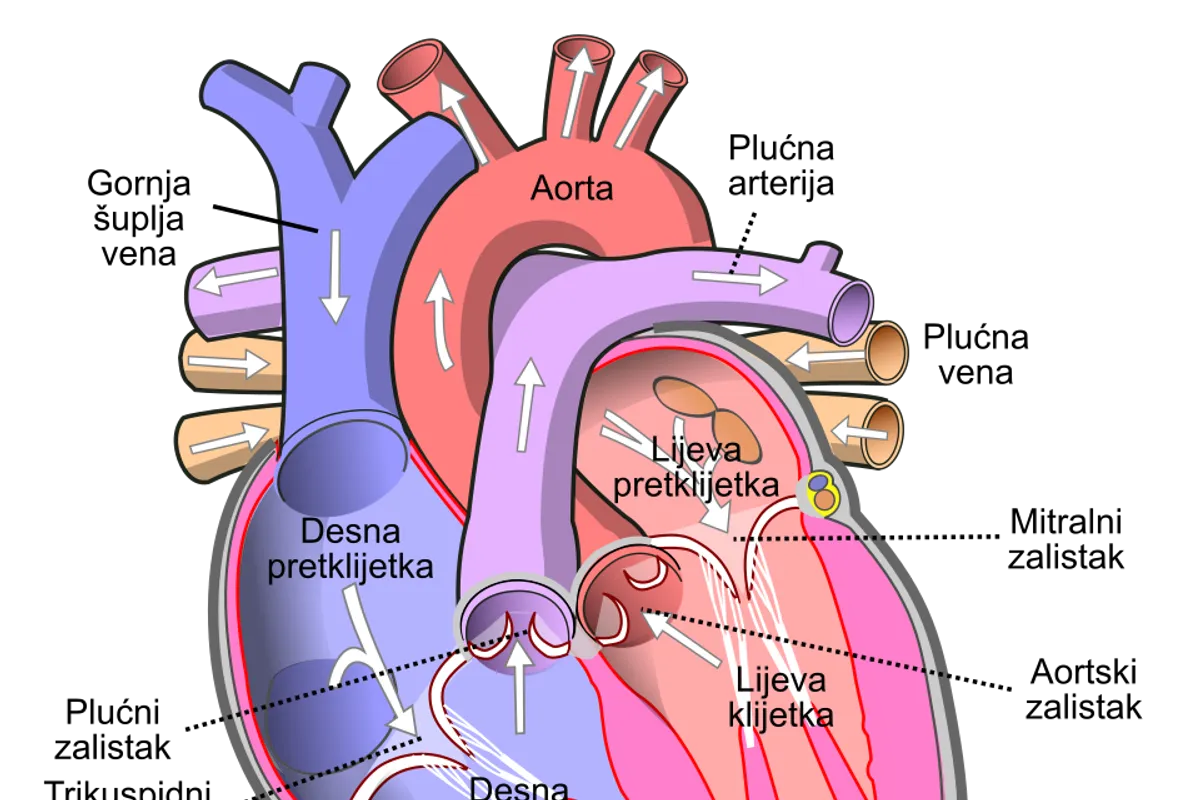
Although summer brings enjoyment to many, high temperatures can be a silent enemy of heart health. According to data from 24sata Lifestyle, the heart of a healthy person pumps between two and four times more blood per minute during heatwaves than in cooler months. For those whose hearts are already weakened, this extra effort can easily lead to serious complications.
To cool down, the body relies on sweating and the widening of blood vessels (vasodilation). However, these very mechanisms strain the cardiovascular system: vessel dilation lowers blood pressure, forcing the heart to work faster and harder. In heart patients, this can lead to weakness, dizziness, or fainting.
At the same time, heavy sweating expels fluids and electrolytes, such as sodium and potassium, which are essential for proper heart rhythm. Dehydration reduces blood volume and increases its thickness, raising the risk of clot formation, while electrolyte imbalances can trigger dangerous arrhythmias.
24sata Lifestyle notes that people over 65 are especially vulnerable, as their bodies regulate temperature less efficiently. Also at risk are patients with pre-existing heart conditions-such as heart failure, coronary artery disease, or high blood pressure. At-risk groups also include infants, young children, pregnant women, those with chronic illnesses (diabetes, kidney disease), and socially isolated individuals.
The dangers can be significantly reduced with a few simple rules. The most important is adjusting daily habits and environment.
Hydration and diet. Drink fluids regularly, even before thirst strikes. Avoid alcohol, sugary drinks, and caffeinated beverages as they promote fluid loss. Those on diuretics should consult their doctor about recommended intake. Meals should be light and frequent, with plenty of water-rich foods-watermelon, cucumbers, tomatoes.
Activity schedule. Outdoor exposure and heavy physical exertion are most dangerous between 10 a.m. and 5 p.m. Best to plan exercise early in the morning or late in the evening, and during peak heat, work out in an air-conditioned space. Wear light, loose, light-colored clothing made of natural materials (cotton, linen) to allow the skin to breathe.
Cooling the home. Air conditioning or a fan are welcome, but the temperature difference between indoors and outdoors should not exceed seven degrees. Sudden transitions from hot to cold spaces can cause blood vessels to constrict, further straining the heart.
Most medications should be stored below 25°C. Exposure to heat (a hot car, a sunny windowsill) can break down active ingredients. Particularly sensitive are products that need refrigeration, such as insulin. Some medications-diuretics, beta-blockers, ACE inhibitors-can increase sensitivity to heat; therefore, it is important to take prescribed therapy regularly but never change the dose on your own. If symptoms are suspicious, be sure to consult a doctor or pharmacist.
24sata Lifestyle also warns about the difference between heat exhaustion and heatstroke. Heat exhaustion brings headaches, dizziness, muscle cramps, nausea, and cool, moist skin. In such cases, immediately move to shade, lie down, and sip water. Heatstroke, on the other hand, means the body's cooling system has failed: body temperature rises above 40°C, skin is hot and dry, pulse is rapid and strong, and confusion or loss of consciousness may occur. In this case, it is essential to call emergency services without delay. While waiting, move the person to a cool place and try to lower body temperature with cold compresses.