Hospitality businesses on the Croatian coast are facing serious challenges in the midst of the tourist season. Although official data from the Tax Administration for July 2026 show a nominal 11 percent increase in hospitality revenue compared to the same period last year, the on-the-ground picture presented by the Entrepreneurs' Voice Association is far more dramatic. According to their information, some hospitality businesses on the coast have seen revenue drop by 20 to as much as 40 percent.
The value of fiscalized receipts in the hospitality sector in July 2026 reached 891 million euros, up from 802 million euros in July 2025. However, the key question is how real this growth is. "When the effect of inflation is subtracted, real growth is weaker, at around 7 percent," the data analysis explains.
Shops as New Competition for Restaurants
One of the main reasons for the decline in revenue in part of the hospitality sector is the shift of tourist spending towards shops. Fiscalization data show that retail trade in tourist regions recorded stronger growth than hospitality, with revenue increasing by 14 to 16 percent. The total value of fiscalized receipts in retail in July amounted to 1.85 billion euros.
Hrvoje Margan, president of the Hospitality and Tourism Workers' Guild of the Croatian Chamber of Trades and Crafts, explained the causes of this trend to Novi list. "Retail has taken over part of the spending from lower-purchasing-power guests because many shops offer takeaway food and create competition for us, while shops do not have to meet the conditions and standards required of restaurants," Margan pointed out.
Polarization Among Hospitality Businesses: Quality Decides
Margan emphasizes that the structure of guests has changed. "The structure of guests has changed; they are a bit more demanding and appreciate a little more attention, but they are willing to pay for it. Hospitality businesses that offer value for money are doing well, while those where the price is higher than the quality are seeing a decline. You have to make an effort around the guest," he says. Luxury establishments and hotel restaurants are experiencing more stable business, while smaller establishments and fast-food outlets are hit hardest.
Margan also acknowledges some responsibility on the part of hospitality businesses themselves, citing examples of illogical pricing. "For 30 to 50 euros, at some places you can get dinner and two glasses of wine, while beachside vendors will charge 50 euros for a burger and two beers," he said. He adds that high levies and the fact that the season is entering its final phase also affect revenue.
Large Regional Differences in Revenue
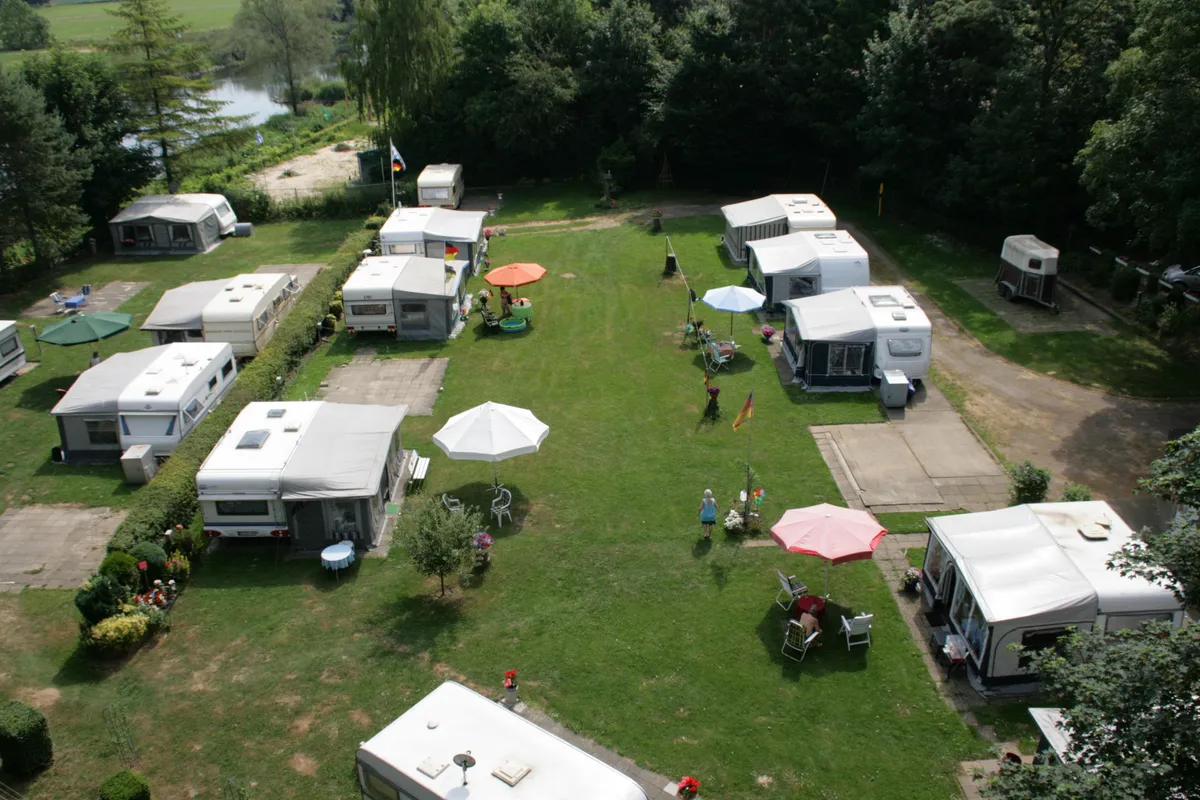
The data also reveal significant differences among counties. Istria County leads with a nominal growth of 12 percent, thanks to a large number of higher-purchasing-power auto-campers. Split-Dalmatia County records growth of 10 percent, but with pronounced polarization: while Split and the islands of Hvar and Brač see high spending, hospitality businesses in smaller coastal towns report a decline in orders.
Primorje-Gorski Kotar County records stable growth of 9 percent, with the islands of Krk, Cres, and Lošinj showing better spending than the mainland part. On the other hand, Zadar and Šibenik-Knin counties record a slight decline in the number of issued receipts of 2 percent, but an increase in the amounts on receipts of 8 to 11 percent, meaning the increase in value is solely the result of higher prices. The same trend is followed by Dubrovnik-Neretva County.
Labor Shortage and Inspection Oversight
The quality of service, and thus revenue, is also affected by the shortage of labor. Of the approximately 53,000 foreign workers employed during the season, more than 60 percent come from neighboring countries. Margan points out that Filipinos have proven to be the best. "For the Philippines, their workforce is an export product; they have qualifications and know English," he said, while there were communication problems with guests with waiters from Nepal, India, and Bangladesh.
Between April 1 and August 1, 2026, the State Inspectorate conducted a total of 13,143 inspections. The most were in the hospitality sector, with 4,604. The tourism inspectorate conducted 1,656 inspections targeting unregistered provision of services, with irregularities found in 149 cases. A total of 98 prohibition measures were issued, including bans for one boutique hotel, 13 apartments, 24 rooms, and two campsites with a total of 24 mobile homes and six glamping tents. Fines totaling 124,000 euros were imposed, and illegally acquired property gains of 417,848 euros were seized, resulting in inspectors "securing" more than 540,000 euros for the budget.