U.S. President Donald Trump confirmed on Tuesday that he secretly switched planes last month after the NATO summit in Turkey, acting on recommendations from the Secret Service and the military due to a credible security threat. According to Reuters, U.S. officials said the threat originated from Iran and involved the possibility of an attack on the aircraft he was supposed to use to leave Ankara. Additionally, White House sources revealed that intelligence assessments warned of an individual armed with a portable missile system near the airport, which accelerated the decision to evacuate.
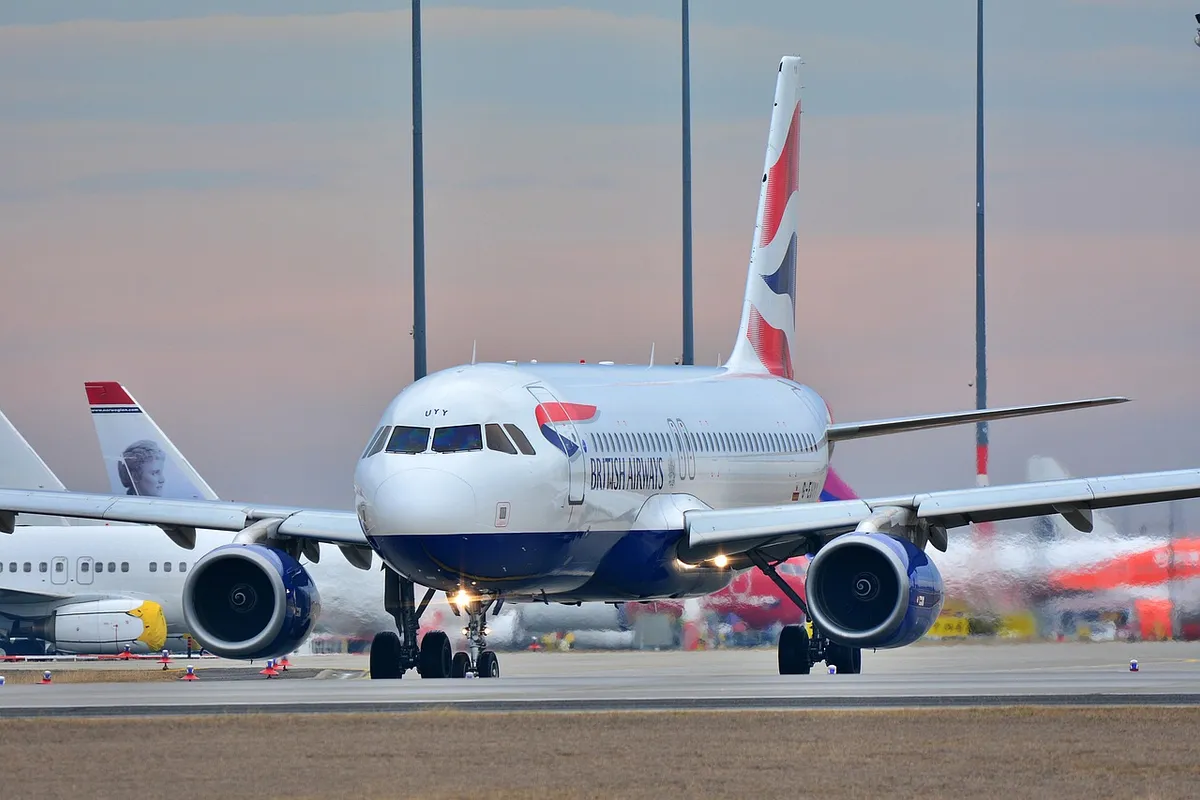
The entire operation was carried out amid heightened tensions between Washington and Tehran. On July 8, Trump boarded the older presidential plane, Air Force One, at Ankara's airport in front of television cameras, but was quickly transferred on the opposite side of the aircraft into an airport catering vehicle. He was driven to a smaller military plane, a C-32A, a modified Boeing 757, which he used to leave Turkey. According to CBS News, video footage shows the catering truck driving away from Air Force One after the president was transferred, and the entire maneuver was part of a carefully crafted scenario to create the impression that Trump was on the main aircraft the whole time.
Journalists and Staff Unaware Trump Was No Longer on the Plane
Some White House staff and journalists who continued their journey on Air Force One were not aware that the president was no longer with them. Members of the media team were ordered to keep the window shades down during takeoff preparations, and it was only later revealed that this was part of a carefully planned security operation. To further conceal the swap, Defense Secretary Pete Hegseth publicly boarded the same aircraft using the external stairs, while the smaller military plane carrying Trump took off under the alternative call sign "Reach 18," leaving Air Force One with the official designation "AF1."
Trump told reporters he did not ask for many details about the threat itself. "I follow the instructions of the Secret Service and the military. They wanted me to take a different flight, a different plane. I just have to do what they tell me," he said. He added that he had no doubt about the seriousness of the situation. "I assume there was a threat. I didn't ask much about it. I get many threats," the U.S. president said, and in an interview with CBS News, he added: "I didn't ask too much about it. I get many threats that you don't know about. Every significant president gets them."
The Wall Street Journal reported that Israel had informed the U.S. of a possible shoulder-launched missile attack on Air Force One. Among the senior officials who remained on the aircraft was Secretary of State Marco Rubio. Some of the traveling journalists expressed anger at having unknowingly served as decoys, while others complained about the deception and the White House's lack of communication. About a dozen journalists seated in a separate section of Air Force One, without access to the president, were unaware of the swap and left Turkey despite the threat. Reports from the press pool noted an unusual order from the Secret Service to lower the shades during takeoff, a practice typically reserved for war zones. Senate Democratic Minority Leader Chuck Schumer called for Congress to be briefed "on the Iranian threats against the president, on the extraordinary measures taken to get him out of Turkey." Trump said of his plane: "I think actually the plane I flew on was at greater risk, because that would be the plane they would target first, I think." He added: "I don't worry about anything, to be honest. Whatever it is, you know my attitude: 'Whatever.'"
Back to the U.S. via Great Britain
After leaving Turkey on the smaller military aircraft, Trump was transferred to Great Britain. There, he rejoined the presidential air fleet before finally returning to the United States. The entire event sheds new light on the level of security threats faced by the highest U.S. officials during international travel.