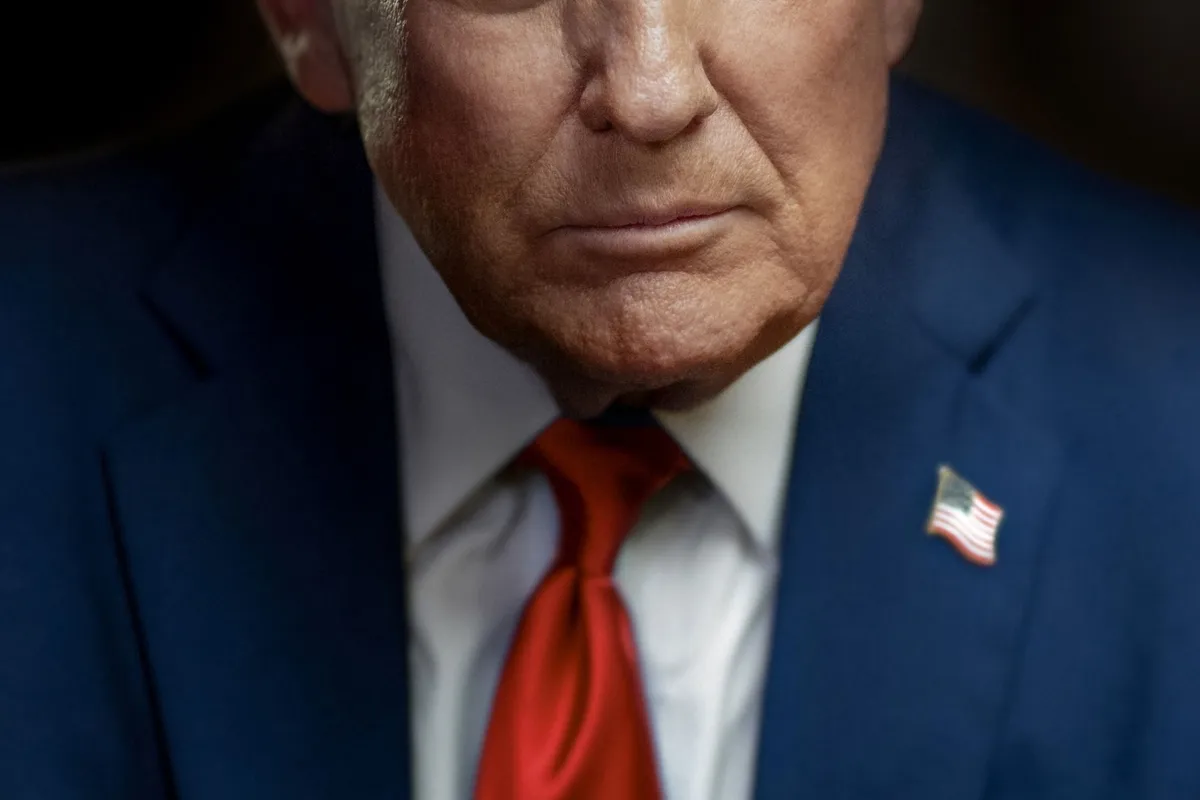
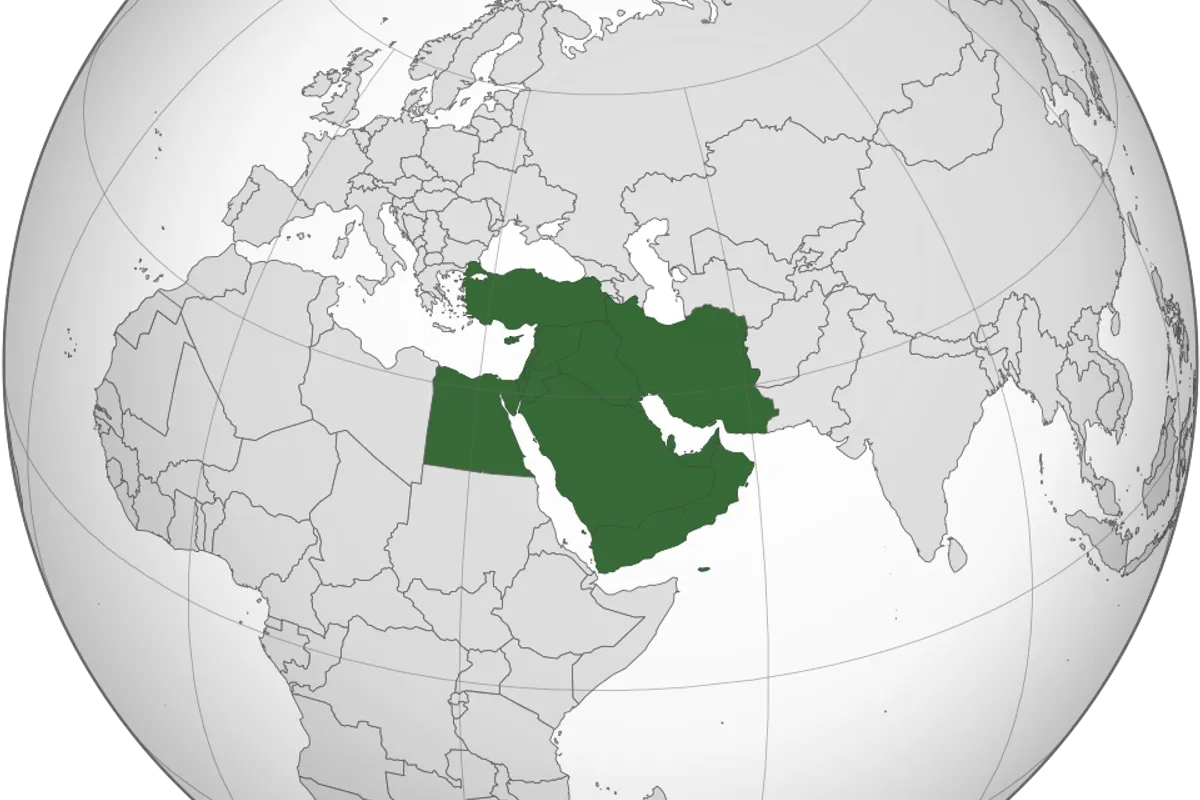
U.S. President Donald Trump announced on Tuesday, August 11, 2026, that the Strait of Hormuz has been cleared of mines and is open for navigation. According to him, the key maritime passage between the Persian Gulf and the Gulf of Oman is now under 100 percent U.S. control. However, shipping data does not confirm the claim that the strait is truly open, and global oil prices rose that very day as Washington and Tehran set strict conditions for each other to reopen the vital waterway.
On the same day, the White House finalized a 90-day extension of the Jones Act waiver, allowing foreign-flagged vessels to transport oil and other goods between U.S. ports. The decision, however, comes with new restrictions following pressure from domestic shipbuilders and their allies in Congress.
Stricter Rules for Foreign Ships
White House spokesperson Taylor Rogers said data shows the waiver led to a significant increase in domestic deliveries of essential products like gasoline, diesel, and jet fuel. Nevertheless, the administration has narrowed the scope of the relief, with each foreign ship voyage now requiring individual approval rather than blanket exemptions.
The Jones Act, over a century old, requires cargo transported between U.S. ports to be carried on ships built in the U.S., owned by U.S. companies, and crewed by U.S. citizens. The waiver extension, which was set to expire on August 16, is the longest suspension of the law in history.
War with Iran and Price Surge
Since late February 2026, when the U.S. and Israel launched a war against Iran, traffic through the Strait of Hormuz has nearly ground to a halt. Before the conflict, the passage carried roughly one-fifth of the world's oil demand. Iranian threats and attacks on ships led to a sharp spike in global oil and gas prices. U.S. officials warned that continued blockades could further raise energy costs.
Trump now claims the waterway is safe again. "Occasionally Iran lays a mine, but we find it and neutralize it," he said. He also demanded compensation from Tehran, but Iranian authorities have not yet commented on his statements.
Tehran Sets Conditions
Iran earlier announced it would impose tolls for passage through the strait and conditioned its reopening on concessions from the U.S. and its allies. Iran's National Security Council demands a complete halt to U.S. threats, lifting the naval blockade of Iranian ports, withdrawal of U.S. forces from the region, and full financial compensation for war damages.
Vice President JD Vance earlier stated that the administration's goal is to restore oil and gas transport through the Strait of Hormuz to pre-war levels.
Trump, in fact, told reporters in the Oval Office on Monday, August 10, that the U.S. Navy had "swept mines" from the entire strait and that it was "open." "Look, the only one controlling the Strait of Hormuz now is the U.S. Navy," he said, adding that the U.S. controls the strait "100 percent."
Iranian authorities, meanwhile, say that an agreement with Oman on managing the strait will not be enough to reopen it unless the U.S. meets their list of demands. Tehran had earlier conditioned the opening of the strait on compensation from the U.S., which Trump has now reversed by demanding compensation from Iran for "past misdeeds."
Threats at Sea and Secret Presidential Flight
Tensions in the region remain high. Yemen accused the Iran-backed Houthis of a "double" attack on a commercial ship in the Bab el-Mandeb Strait, killing six people. The British maritime monitoring center reported an incident involving a container ship and military forces in the Gulf of Oman, while the U.S. military said it fired Hellfire missiles at a Panama-flagged vessel heading toward an Iranian port.
Meanwhile, it was revealed that Trump secretly left Turkey last month on a smaller aircraft, faking his departure on Air Force One. According to a U.S. official, at least two cabinet members—Secretary of State Marco Rubio and Treasury Secretary Scott Bessent—remained on the larger Boeing 747 that took off from Ankara without the president. The aircraft served as a decoy, believed to be targeting an Iranian threat deemed credible enough to warrant the secret swap. "I guess there was some threat. I didn't ask too much about it. I get a lot of threats," Trump said. When asked why flying on Air Force One was too dangerous for him but not for journalists, he replied that any plane he is on is a more likely target.