Devices Are Off, Yet the Electricity Bill Keeps Rising
The invisible standby power consumption of household appliances can account for up to 10 percent of your annual electricity bill. Discover the biggest culprits and how to easily curb them.
The invisible standby power consumption of household appliances can account for up to 10 percent of your annual electricity bill. Discover the biggest culprits and how to easily curb them.
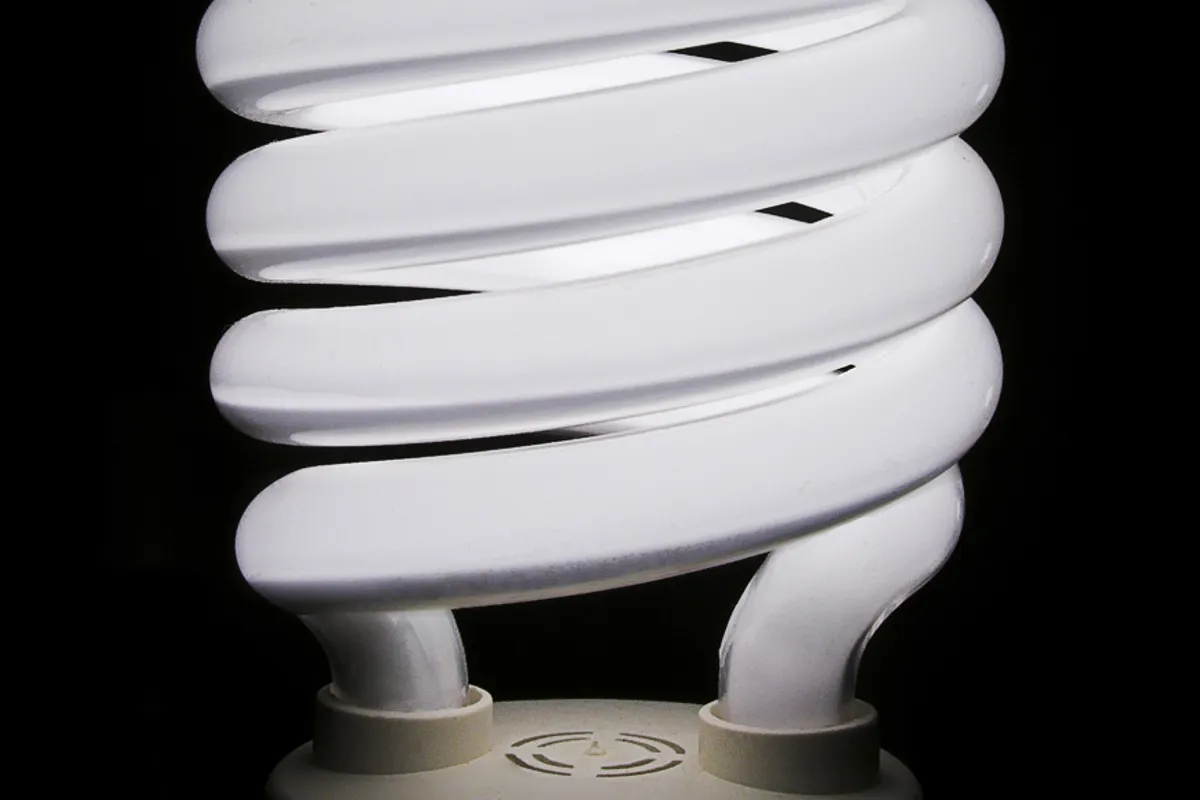
Even though you turned off the TV before bed and shut down your computer after work, your electricity bill keeps climbing. The culprit is a phenomenon known as "phantom" or "vampire" power draw, which refers to the energy devices consume even when they are in standby mode or completely switched off. Estimates suggest that this invisible energy usage can account for between 5% and 10% of a typical household's total annual electricity consumption.
The list of devices that constantly siphon energy is longer than most people assume. Modern TVs and set-top boxes that stay in standby mode to respond quickly to the remote control are among the main offenders. Gaming consoles, even when not in use, draw power for automatic updates and quick startup. Then there are computers with monitors and printers, as well as chargers for phones and laptops that continue to consume electricity when left plugged in without a device attached.
In the kitchen, microwaves, coffee makers with digital clocks, and modern ovens whose displays can surprisingly consume a lot of energy over the year are prime suspects. Additionally, we must not overlook Wi-Fi routers, which are active almost all the time.
While a few watts per hour may seem negligible, the cumulative annual cost can be an unpleasant surprise. Simple math paints the real picture: a device that uses just three watts in standby mode consumes more than 26 kilowatt-hours (kWh) per year. Given electricity prices, that amounts to nearly five euros annually for just one such device.
When you multiply that by a dozen or more devices running in the background, the total annual cost for "invisible" consumption easily climbs to several dozen euros. This is money literally thrown away on energy that serves no useful purpose, and it's also an environmental issue as it contributes to unnecessary carbon dioxide emissions.
The most accurate way to identify the biggest consumers is to use an electricity usage monitor, also known as a wattmeter. This simple device plugs directly into the wall outlet, and then you connect the appliance you want to measure. The display shows real-time power consumption in watts, and more advanced models can track usage over time and estimate the cost in euros.
Once you've identified the culprits, fighting them doesn't require drastic changes. The easiest method is to unplug devices when they're not in use. To make this process easier, power strips with switches are an excellent solution, allowing you to cut power to multiple devices at once with a single press-especially handy for home offices or entertainment centers.
For those seeking a more modern approach, smart plugs allow remote control via an app, scheduling automatic shut-offs, and real-time consumption tracking. Research conducted by Gheorghe and colleagues shows that smart systems that automatically cut power to inactive devices can reduce a household's monthly consumption by as much as 26.68 kWh.
Legislation is also addressing the issue. According to Commission Regulation (EU) 2023/826, from 2025 most new devices will be prohibited from consuming more than 0.5 watts in standby mode. The regulation becomes even stricter from 2027, when the limit for off-mode will drop to just 0.3 watts, confirming that a combination of consumer awareness, simple habits, and smart technology can effectively put an end to hidden costs.