In the Zadar area, a drinking water saving measure was introduced on Tuesday, August 11, 2026. The reason is the heat wave and increased consumption during the tourist season, and the situation is being closely monitored in other parts of Dalmatia as well. The situation is most severe in the Dalmatian hinterland, where livestock farmers and agricultural workers have been watching every drop for weeks.
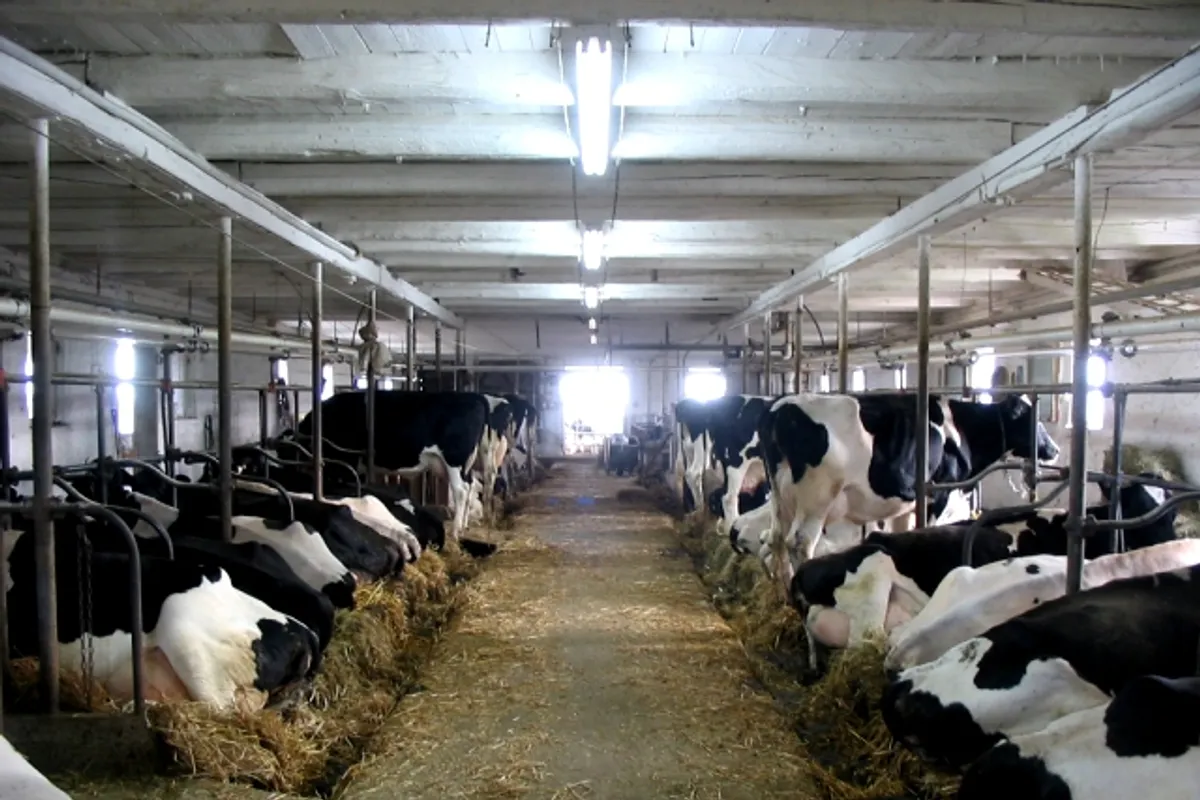
Livestock Farmers Under the Weight of the Heat: A Cow Can Drink Up to 150 Liters a Day
Andrija Kolić, a livestock farmer from Dugopolje, brings his herd back from pasture every day in unbearable heat. His cows require enormous amounts of water to survive these extreme temperatures. "Cows drink up to 150 liters of water a day. That means they need to be watered three times; the heat is so intense that just being in the sun is enough," Andrija Kolić told HRT.
Despite the scorching heat, there is no respite for him. Describing his demanding life, he revealed that he spent ten years at sea, but upon returning from Miami, he would immediately devote himself to caring for the animals. "It's voluntary work. I used to sail for 10 years; I'd come back from Miami, and in the morning I'd let the cows and goats out again, and I never had a day off. You don't even have time to argue with your wife because you never see her," he added candidly.
Farmers Fear Water Shortages
Farmers are not having an easier time either. Cvitko Kolić, also from Dugopolje, explains that being careful with water is not just about money, even though a cubic meter costs around two euros. "If everyone watered without paying attention to how much water they use, many wouldn't be able to take a shower because the water would run out several times. It's fine when it runs out when you're clean, but when you're not clean and you need to shower, then you know how it goes," Cvitko Kolić vividly described for HRT.
He adds that this year the land is thirstier than ever, and temperatures are so high that even animals dare not go out into the sun. "The land is thirstier this year than ever. The temperatures are so terrible that even the beasts won't go out; they hide instead," he said. Nevertheless, he is aware that without water, there is no harvest: "If you don't water the animals and don't water the garden, you won't have anything."
The Riva Is Watered, the Jadro Spring Remains Stable
While the hinterland is saving, the picture on Split's Riva is different. There, water is not being saved, at least for now. Zorana Džaja from the company Parkovi i nasadi Split explained why. "It's the living room of the citizens and tourists, so we have to maintain it to be the city's showcase. The Riva is watered and maintained every day, except Sunday," she stated.
At the same time, good news comes from the Jadro spring, which supplies about 200,000 people. The river's flow is not weakening, and the system is stable. Still, Ivica Perić, director of Vodovod i kanalizacija Split, calls on citizens to use water rationally. "That means water should be used exclusively for human needs: hygiene and drinking. It doesn't mean you can't water seasonal vegetables and flowers, and so on, but avoid washing driveways, parking spaces, cars, and frequent pool water changes," Perić emphasized for HRT.
Balancing as the Key to Survival
Experiences from the field show that there is no simple solution. Animals must drink, crops must be watered, and urban spaces must be kept clean. However, avoiding unnecessary consumption, such as washing cars and frequently changing pool water, can significantly reduce the strain on local water supply systems and ensure that there is enough water for all essential needs.