Patriot Stockpiles Running Low: US Left with Fewer Than 850 Interceptors
Explosive demand and wars in Ukraine and the Middle East have drained American and allied arsenals, while production cannot keep pace with consumption.
Explosive demand and wars in Ukraine and the Middle East have drained American and allied arsenals, while production cannot keep pace with consumption.
The global need for the American Patriot air defense system has never been greater, while stockpiles of its key interceptors have been reduced to alarmingly low levels. Conflicts in Ukraine and the Middle East have left the United States with fewer than 850 of these missiles currently available, a dramatic drop from the 2,330 it had before the start of hostilities with Iran.
Estimates from the Center for Strategic and International Studies (CSIS) show that about 65 percent of American interceptors were expended between February and July of this year. The situation is further complicated by Ukraine's request for urgent delivery of additional systems to protect against daily Russian ballistic attacks, while some European countries are hoarding their remaining missiles for their own defense.
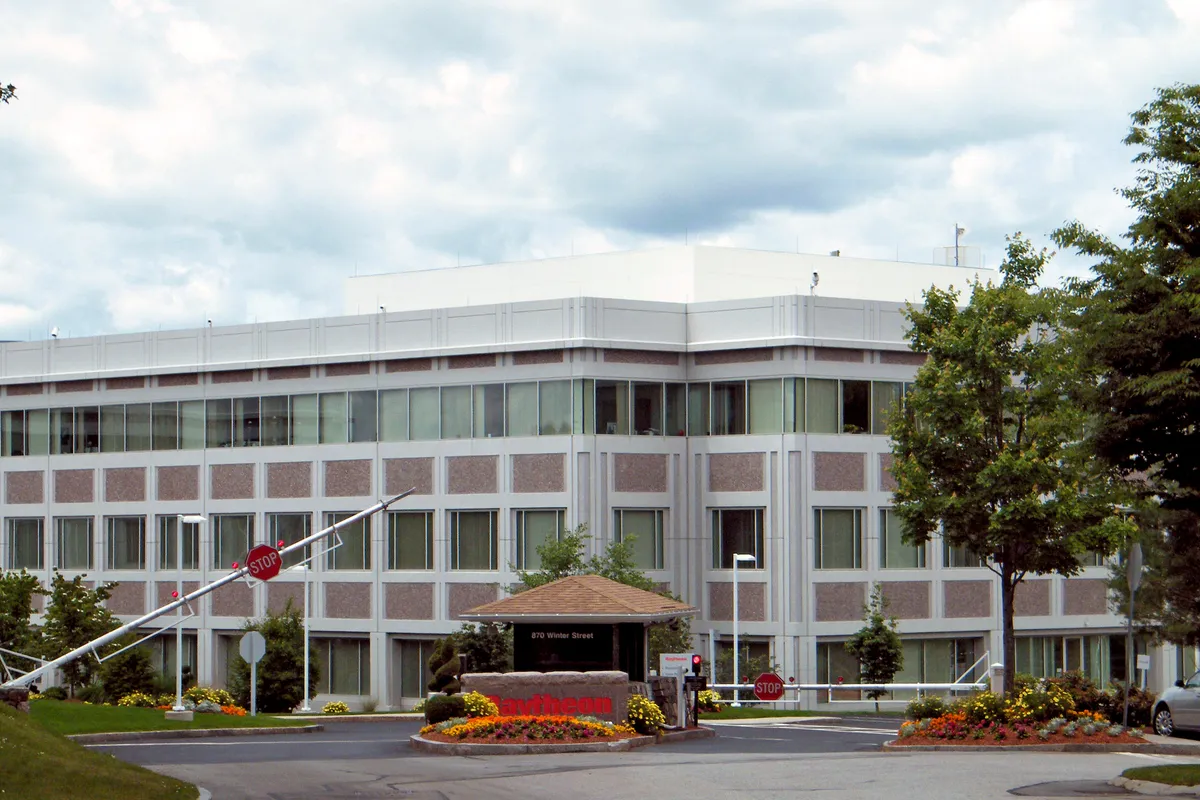
The Patriot, whose name comes from the English acronym Phased Array Tracking Radar for Intercept on Target, is a mobile surface-to-air system made by Raytheon Technologies. Although its development began in the 1980s, it has been continuously modernized, with plans to keep it operational until 2048.
A standard battery includes a radar, control systems, launchers, and support vehicles. According to data published by NATO in 2015, the radar can detect targets at ranges greater than 150 kilometers and simultaneously track up to 100 potential targets. Depending on the type of interceptor installed, the system is capable of destroying aircraft, tactical ballistic missiles, and cruise missiles.
Raytheon is responsible for the PAC-2 GEM-T interceptor, designed to destroy smaller short-range ballistic missiles and cruise missiles. On the other hand, Lockheed Martin, the world's largest weapons manufacturer, supplies the more advanced PAC-3 MSE (Missile Segment Enhancement) model, which can hit longer-range ballistic missiles, cruise missiles, aircraft, and even hypersonic weapons. In July, Lockheed unveiled a new interceptor, the PAC-3 ACE (Adapted Capability Effector), which the company says will be half the cost while retaining the ability to engage short-range ballistic missiles.
Although the Patriot was not originally designed to counter hypersonic weapons, the US confirmed in May 2023 that a Ukrainian crew used it to shoot down a Russian Kinzhal missile, which Moscow claims falls into that category. In January of this year, Ukraine reported destroying 250 targets, of which 140 were ballistic missiles. The system has also neutralized dozens of Iranian ballistic missiles in the Persian Gulf region, although details of those actions have not been publicly disclosed.
Raytheon has so far delivered more than 240 Patriot batteries, and 19 countries use the system, including the US, Germany, Poland, Ukraine, Japan, Qatar, Saudi Arabia, and Egypt. The latest PAC-3 MSE missiles are in the arsenals of 16 countries, while between six and eight nations have already submitted requests for additional quantities to replenish depleted stockpiles.
A new Patriot battery costs over $1 billion. According to CSIS data, $400 million goes to the system itself, and $690 million to the missiles. A single PAC-3 interceptor is estimated to cost between $4 and $5 million.
Persian Gulf countries are also facing severely reduced stockpiles. Saudi Arabia expended about 86 percent of its PAC-3 interceptors in the first 38 days of fighting, leaving it with only 400 missiles in April of this year. According to CSIS data, other Gulf states have recorded similar consumption rates.
The US has already given the green light for the sale of 5,250 interceptors to Bahrain, Kuwait, Qatar, and the United Arab Emirates to replenish their stockpiles. Negotiations are also underway on the possibility of Ukraine producing Patriot missiles itself, despite reservations expressed by President Donald Trump. People familiar with the talks say a model is being considered in which Ukraine would produce certain components, with final assembly taking place at other European locations.
Last month, the US Army awarded Lockheed Martin a contract worth up to $58.6 billion for the production of Patriot missiles, a key move in efforts to rebuild depleted stockpiles and meet growing global demand.