Why Your Smartwatch Is Bad at Measuring Calorie Burn
Studies show that apps and smartwatches significantly underestimate calories, and the error can be as much as 345 calories per meal.
Studies show that apps and smartwatches significantly underestimate calories, and the error can be as much as 345 calories per meal.
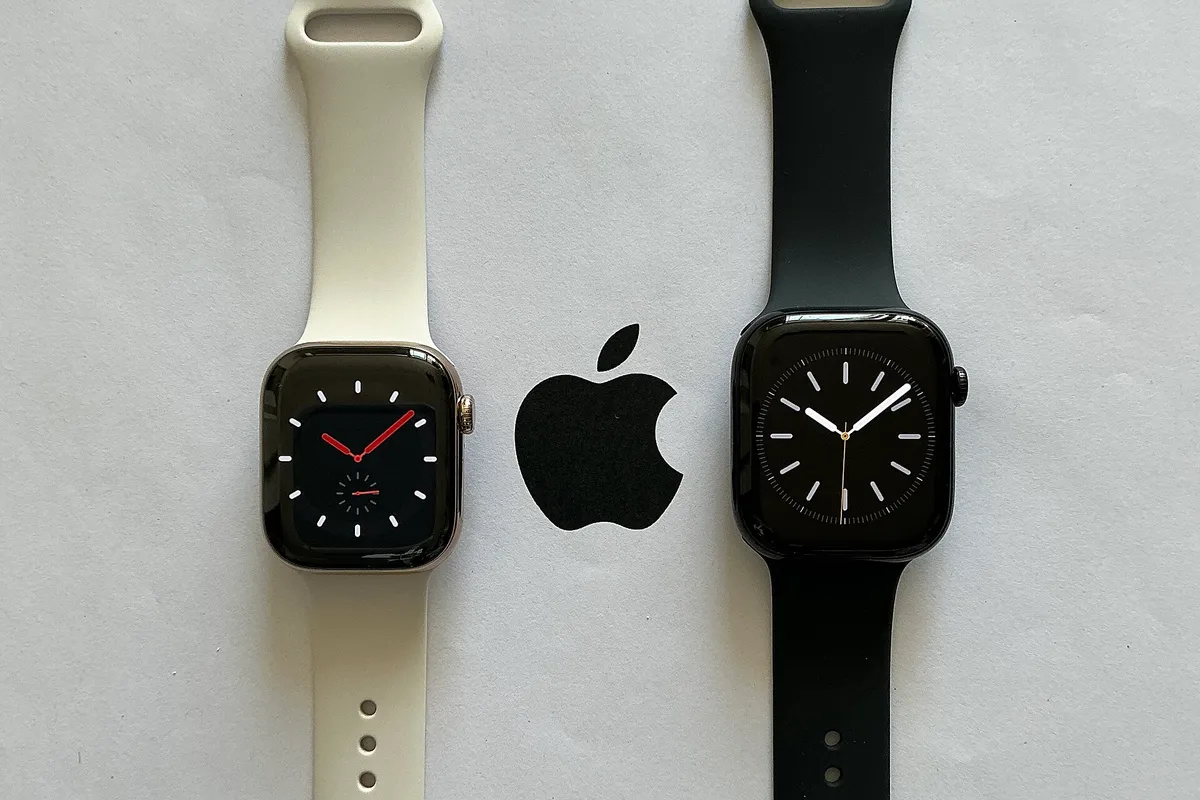
Calorie tracking apps using photos and smartwatches like the Apple Watch systematically underestimate energy expenditure and the calorie content of meals, according to new research presented at the annual meeting of the American Society for Nutrition, NUTRITION 2026, held from July 25 to 28, 2026, in National Harbor, Maryland.
Researchers from the National Institute of Diabetes and Digestive and Kidney Diseases (NIDDK), part of the U.S. National Institutes of Health (NIH), tested four popular calorie-tracking apps using photos: MyFitnessPal, LoseIt!, CalAI, and Appediet. They used 102 meals prepared in a strictly controlled metabolic kitchen, where ingredients were weighed to the nearest 0.1 gram. The results showed that all four apps underestimated calories by an average of 250 to 345 calories per meal, and underestimated fats by about 30 grams.
Aaron Hengist, a postdoctoral visiting scientist at NIDDK, emphasized the importance of this testing: "By using meals prepared in a strictly controlled metabolic kitchen, we were able to compare the apps' estimates to a precise reference. Such a direct, high-quality comparison has not been available before." Hengist warned users to take the results with caution: "These apps tend to underestimate calories, especially fat, so what they actually ate is probably higher than what the app shows."
In the second phase of the study, scientists tested more than 200 additional meals to determine which factors affect the accuracy of the apps. Preliminary results show that apps have particular difficulty estimating meals from a low-carbohydrate, ketogenic diet. Such meals typically contain more fat, and fat is the category in which apps most consistently err. The researchers suggest combining photo apps with traditional food intake tracking methods to increase accuracy.
The problem with inaccurate calorie measurement is not limited to photo apps. A 2024 study from the Stanford University School of Medicine, published in the Journal of Personalized Medicine, tested seven wearable devices on 60 volunteers and compared the results with a medical electrocardiograph. The most accurate device had an average error of 27 percent, while the least reliable was wrong by as much as 93 percent. Dr. Euan Ashley, senior author of the study, commented on the findings: "Energy expenditure measurements were far from accurate. The magnitude of how bad they were surprised me."
Despite the fact that the Apple Watch and similar smartwatches reliably measure heart rate, measuring calorie expenditure is much more complex. The devices combine data from accelerometers, gyroscopes, GPS, and heart rate sensors and process them with machine learning algorithms to estimate how many calories have been burned. However, these algorithms must account for many variables that a watch simply cannot measure from the wrist.
Anna Shcherbina, an associate professor who participated in the Stanford study, explained the fundamental problem: "My opinion is that it's very difficult to train an algorithm that would be accurate for a wide range of people because energy expenditure is variable depending on a person's fitness level, height, and weight." A newer study published in the journal Nature further found that smartwatches use multiple sensors to estimate calorie expenditure, which is problematic because errors from individual sensors add up. The study also found that factors such as skin tone or skin moisture level affect the device's ability to measure energy expenditure.
The researchers note that the results of the study on photo apps have not yet undergone the full peer review process required for publication in a scientific journal and should be considered preliminary. Nevertheless, the combination of multiple independent studies points to the conclusion that users of smartwatches and calorie-tracking apps should not blindly trust the displayed numbers, especially when it comes to precise management of body weight or health.