Wildlife in Retreat: What the Global Biodiversity Crisis Means for Croatia
According to a WWF report, wild animal populations have declined by 68% since 1970. Croatia, home to a wealth of endemic species, faces a particular responsibility.
According to a WWF report, wild animal populations have declined by 68% since 1970. Croatia, home to a wealth of endemic species, faces a particular responsibility.
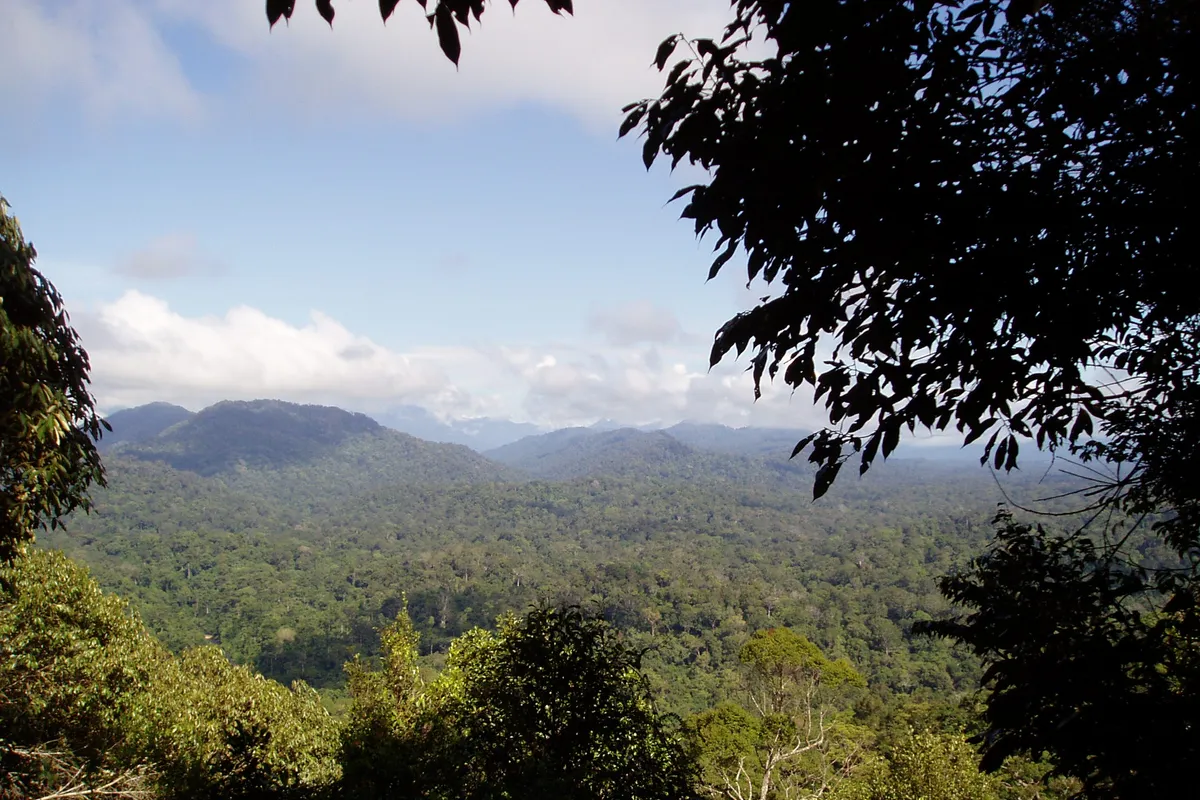
The global biodiversity crisis is accelerating at a pace that has outstripped scientific predictions, and its consequences are increasingly being felt in Croatia. According to the World Wildlife Fund (WWF), wild animal populations have declined by 68% since 1970, while the United Nations Environment Programme (UNEP) estimates that approximately one million animal species are currently at risk of extinction. Today's extinction rate is 100 to 1,000 times higher than the natural background rate, with pollution, climate change, and habitat loss driven by human activity identified as the primary causes.
Croatia ranks among the most biologically diverse countries in Europe, with particularly valuable ecosystems in the Adriatic Sea and the Dinaric karst. The Adriatic is home to numerous endemic species found nowhere else on Earth, while the karst landscapes conceal a remarkable subterranean fauna. That very uniqueness carries a special weight: the loss of endemic species cannot be offset by any other region on the planet. As a European Union member since 2013, Croatia is bound by stringent EU nature protection legislation, including the Habitats Directive and the Birds Directive.
The disappearance of animal species is not merely an ecological concern, it is an economic and public health issue as well. Animals play a critical role in pollinating plants, dispersing seeds, and maintaining the balance of ecosystems that provide food, clean air, and water. According to UNEP data, more than 75% of food crops depend on pollinators, with insects and birds being the most important among them. The loss of these species would directly threaten food security and agricultural production, including Croatia's olive growing, viticulture, and vegetable farming sectors.
Experts and international bodies, including WWF and UNEP, stress that preserving biodiversity is achievable through systematic action: protecting natural habitats, reducing pollution, managing fisheries and forestry sustainably, and raising public awareness. Croatia's Ministry of Environmental Protection and Energy is responsible for implementing national and EU species protection regulations, though concrete data on the status of individual species and the effectiveness of current measures were not available in the sources consulted. The European Union is strengthening its legislative framework in this area, and member states are expected to play an increasingly active role in safeguarding their shared natural heritage.