Gold Jumps to Two-Month High
Precious metal price driven by geopolitical tensions, interest rate expectations, and continued central bank buying.
Precious metal price driven by geopolitical tensions, interest rate expectations, and continued central bank buying.
The price of gold today, August 11, reached its highest level in more than two months. According to data reported by Lider, gold rose to $4,435.48 per ounce, while Financije.hr reports a price of $4,365.39 per ounce. This strong rally brings the precious metal back into focus for investors eagerly awaiting new U.S. macroeconomic data and monitoring developments in the Middle East.
Vladimir Potočki, a member of the management board of Auro Domus Online, commented on current market trends for Lider and Financije.hr. "Part of the current rally is a result of the return of demand for gold following the previous price drop, as well as increased investor interest in assets that can play an important role in diversification during periods of heightened uncertainty," Potočki stated.
He added that the further direction of the price could be significantly influenced by U.S. consumer price index (CPI) and producer price index (PPI) data, which are due out this week. These figures are crucial for assessing the future moves of the U.S. central bank, the Federal Reserve (Fed).
Gold, which itself does not yield interest income, is particularly sensitive to changes in monetary policy. Higher interest rates typically diminish its appeal relative to yield-generating assets. Following recent weaker U.S. labor market data, market expectations of an imminent policy tightening have shifted, prompting investors to scrutinize inflation data closely.
At the same time, geopolitical tensions are further underpinning gold's price as a safe haven. Uncertainty surrounding the Strait of Hormuz, a key global route for oil transport, has come back into focus. The stalemate in negotiations between the U.S. and Iran complicates any agreement to reopen this strategic passage, which is pushing up energy prices and potentially intensifying inflationary pressures.
Long-term support for the gold market also comes from continued central bank demand. China stands out in particular; its central bank increased its gold reserves in July for the fifth consecutive month, marking the largest monthly increase since October 2023, according to Reuters. This trend underscores the strategic importance of gold in global financial reserves.
After a strong recovery, the market is now closely watching whether gold can hold levels above $4,400 per ounce. Potočki, however, advises caution and a long-term perspective: "With gold, it's important to distinguish between short-term price movements and the long-term role it can play in a portfolio. Physical gold should primarily be viewed as a long-term asset and one way to diversify overall wealth. The question isn't just whether the price of gold will continue to rise, but what role gold can play in an individual's long-term financial strategy."
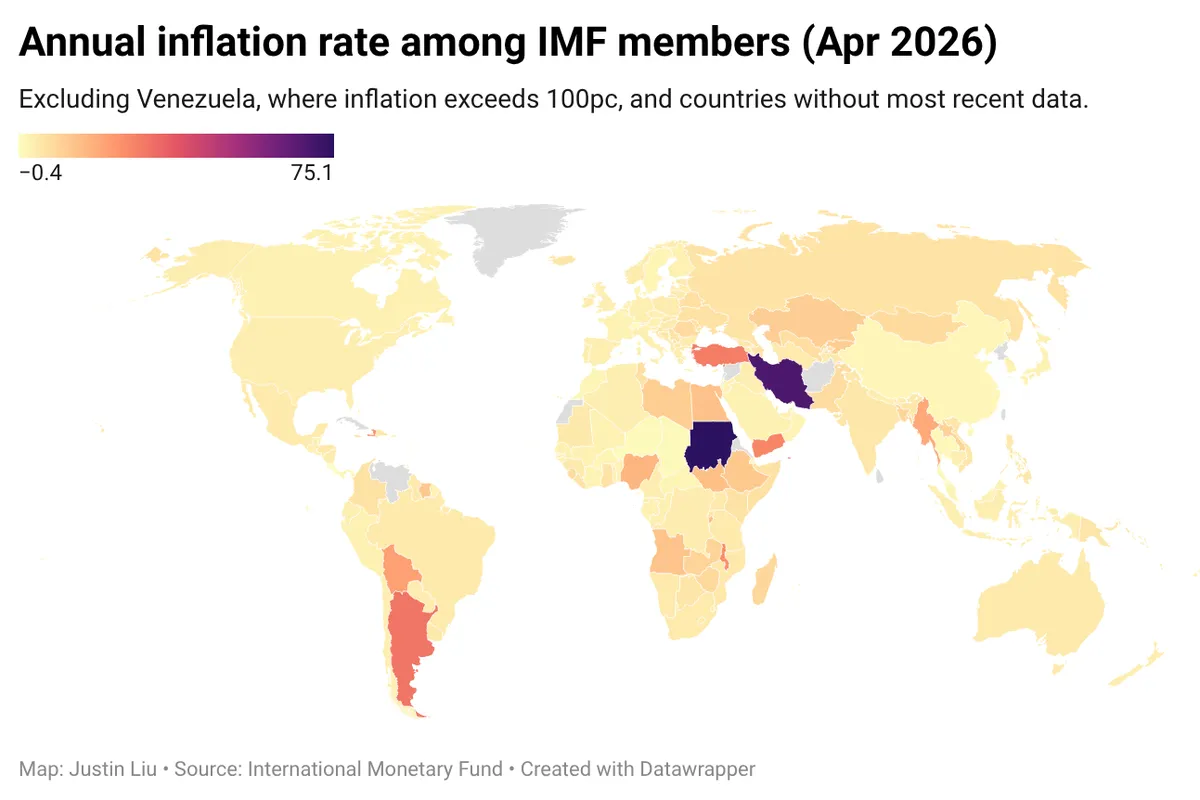
Gold price movements on the global market are directly relevant to Croatian citizens as well. Besides the fact that the international price, expressed in dollars, also depends on the euro exchange rate, the domestic economy faces the challenge of high inflation. The European Commission, in its spring forecast, expects average inflation in Croatia to reach 4.6 percent this year, following 4.4 percent in 2025. In such an environment, interest in physical gold as a tool for long-term preservation of asset value becomes increasingly understandable.