Summer heat brings an increased risk of foodborne infections, and the tragic case from Italy serves as a painful reminder of the potential consequences. In 2017, four-year-old Matija ate raw milk cheese contaminated with Escherichia coli bacteria. The infection led to hemolytic uremic syndrome and irreversible brain damage, leaving him blind, paralyzed, and fed through a tube for nine years before he passed away at the age of thirteen. His father is now demanding stricter warnings on raw milk products.
Danger Lurks at Markets and in the Fridge
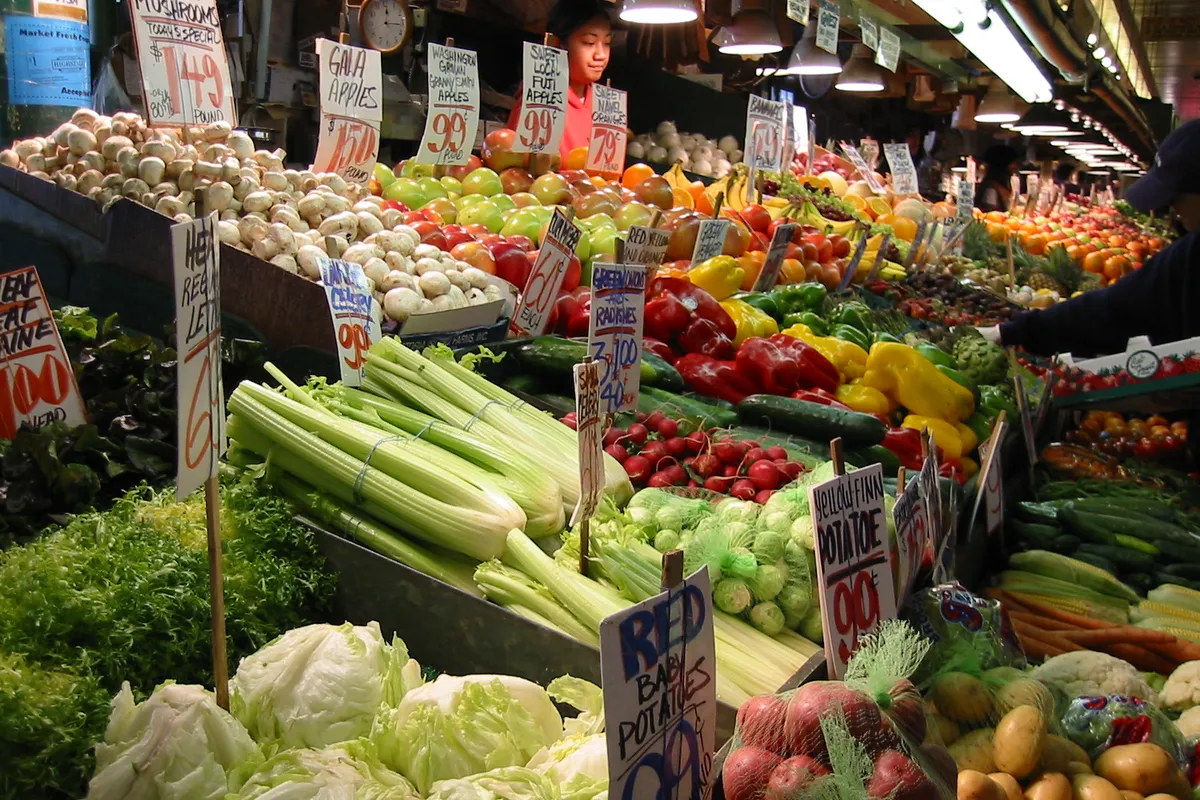
Nutritionist Prof. Dr. Momčilo Matić, speaking on the show "Redakcija" on Kurir TV, warned of key risks during the summer months. "Everything sold at markets should be properly labeled. A major issue is how exposed we are to microorganisms through consuming such food, which is why inspections, especially in summer conditions, should intensify their checks. E. coli attacks eggs and cheese very quickly, while salmonella is common in meat. So, exposure to infectious agents during high temperatures is significantly increased," Matić said.
He particularly emphasized the danger of E. coli bacteria. "E. coli is especially problematic-a very persistent bacterium with a high reproduction capacity. Once it multiplies, it can cause serious problems and attack the entire body," the nutritionist stressed. Perishable food should not be left out of the fridge for more than an hour at temperatures above 40 degrees.
Watermelon, Fruit, and the Soap Rule
matić specifically warned about fruit sold at markets, especially watermelons cut into halves or quarters. "The outer rind can be contaminated with microorganisms because watermelons sit at markets and aren't always properly stored. When such a watermelon is cut without prior washing, bacteria from the rind can transfer to the flesh," he explained.
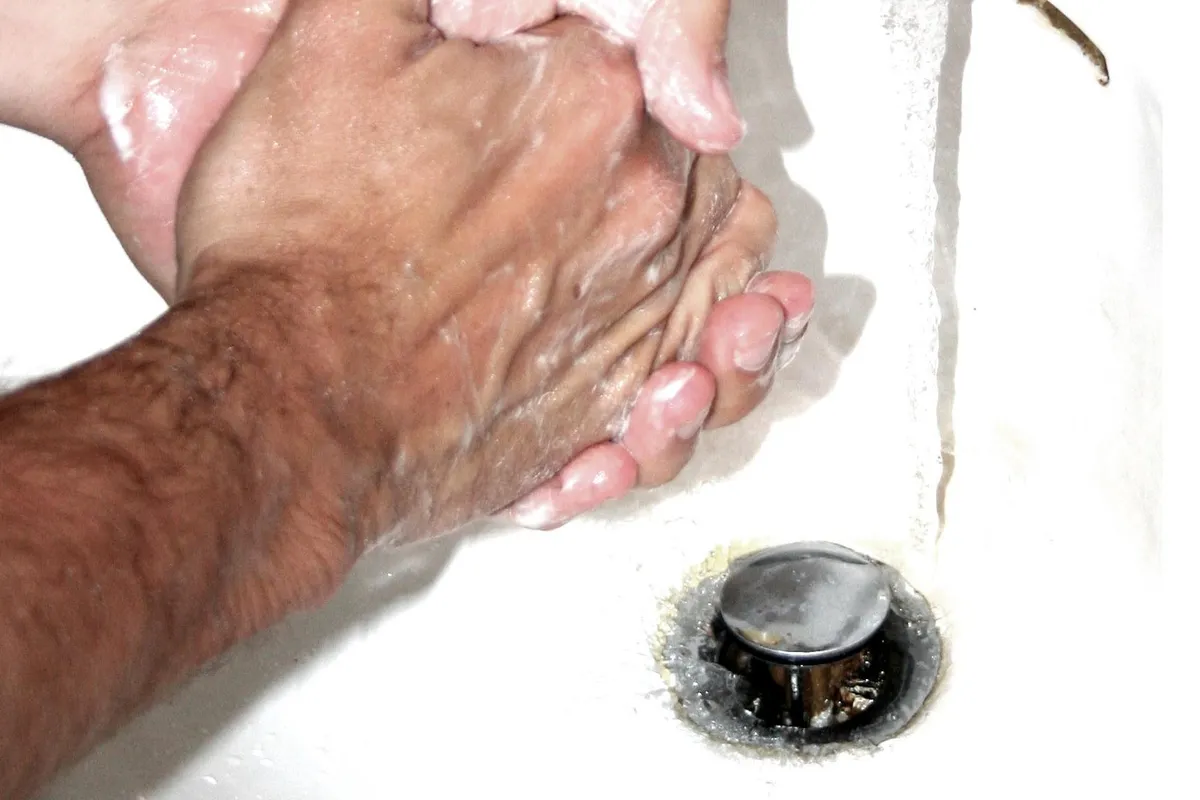
His advice is to buy a whole watermelon and wash the outside with soap-only on the outer rind-then rinse thoroughly with warm water before cutting. For fruits and vegetables with hard skins, like tomatoes, cucumbers, or peppers, he recommends washing them with soapy hands. "That's enough to remove dirt, microorganisms, bacteria, and viruses. There are also studies showing that this washing method can remove pesticide residues from the surface of fruits and vegetables," Matić told Kurir TV, adding that this method does not apply to delicate fruits like strawberries.
Proper Storage and the Danger of Pesticides
The nutritionist also stressed the importance of proper food storage in the fridge. "Food should not be left open but properly packaged and separated. For example, meat stored above other items can drip and contaminate food below it," he warned. Extra caution is also needed with fast food due to exposure to high temperatures and contact with money.
Beyond microorganisms, pesticide residues also pose a threat. According to data from the organization Pesticide Action Network UK (Pan UK), as many as 12 foods are at risk of the so-called "cocktail effect." Grapes are the worst offender, with one sample containing residues of at least 16 different pesticides.