How Cooking Affects Your Health
The way you cook changes the nutritional value of foods, with the key being the combination of temperature, time, water, and added fat.
The way you cook changes the nutritional value of foods, with the key being the combination of temperature, time, water, and added fat.
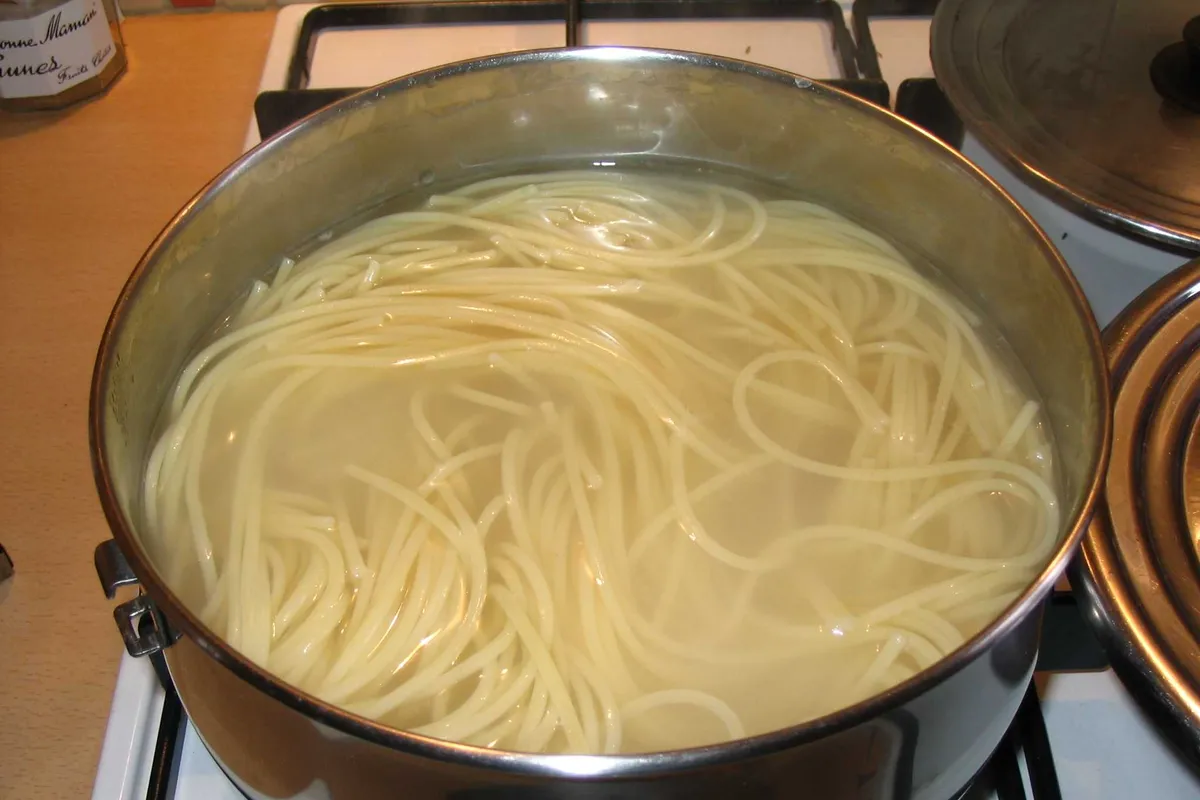
When we think about healthy eating, we usually focus on what we buy, but equally important is how we prepare those foods. The same ingredient can end up as a completely different meal depending on the cooking technique, which directly impacts its energy value and nutritional composition.
According to ABC.es, there is no universally good or bad cooking technique. The preparation method affects the amount of water in the food, added fat, the temperature the food reaches, the duration of heat exposure, and the availability of certain nutrients. Additionally, the microbiological safety of the meal also plays a crucial role.
Boiled potatoes retain a lot of water and contain almost no added fat if served without extras. On the other hand, fried potatoes lose some water and absorb oil, increasing their energy density, meaning more calories are concentrated in a smaller amount.
The same applies to eggplant, breaded cutlets, or croquettes. Here, it's not just about temperature but also about added fat, breading, sauces, and everything else that goes into the pan or oven. The oven alone doesn't make a dish light, because vegetables with a moderate amount of oil are not the same as vegetables soaked in oil, cheese, and sauce.
There's a common belief that raw is always healthier, but that's not entirely true. Cooking can reduce some heat-sensitive nutrients, but it can also improve the availability of other compounds or make food easier to digest.
A good example is tomatoes. Heat treatment can increase the availability of lycopene, a carotenoid present in this vegetable, especially when prepared with a little fat. The same goes for legumes, like chickpeas, where soaking and cooking change the texture and improve digestibility. So, eating more raw doesn't automatically mean more nutritious.
Water-soluble vitamins, such as vitamin C and B vitamins, are sensitive to heat and can leach into water during cooking. Prolonged cooking in a lot of water, followed by discarding that water, can cause greater losses than shorter preparation.
Steaming, microwaving with minimal water, or brief sautéing can limit prolonged contact with water. However, there's no universal winner, as the answer depends on the food, nutrient, piece size, and actual cooking time. What we do with the liquid also matters, because in soups and stews, some compounds remain in the broth that we eventually consume.
Browning adds flavor and aroma, but it can also create compounds that are best limited when the temperature is high and the process is too long. Acrylamide can naturally form during cooking of starchy foods, like potatoes and grain products, at temperatures above 120°C with low humidity, especially during frying, toasting, and baking.
One dark slice of bread won't immediately cause illness, but there's enough scientific concern to recommend reducing exposure. In practice, this means aiming for a light golden color instead of dark brown, not extending frying out of habit, and avoiding clearly burnt parts.
For muscle meat, including fish, high temperatures can lead to the formation of heterocyclic amines. Grilling over an open flame can further increase exposure to polycyclic aromatic hydrocarbons, especially when fat drips onto the fire, creating smoke that deposits back onto the food.
Occasional grilling isn't a health disaster, but you should avoid making visible charring a common finish for meat and fish. Controlling the flame, avoiding constant direct contact with fire, removing blackened parts, and alternating grilling with oven cooking, stews, or controlled stovetop methods reduces reliance on extreme cooking methods.
Frying has a bad reputation, partly due to oversimplification. Good frying is not the same as bad frying, and an occasional portion doesn't define the quality of your diet. However, this technique usually increases the energy value of a dish due to oil absorption and water loss.
The condition of the fat also matters. Oil that is repeatedly exposed to high heat can degrade. If the oil smokes prematurely, has persistent foam, has darkened significantly, become thicker, or has an off smell, further use is not a saving. Leftover flour and breading residues accelerate oil spoilage.
When talking about preserving vitamins, it sometimes seems that less heat is always better. But cooking also serves to reduce microorganisms that can cause food poisoning. As a general reference in home kitchens, reaching 70°C in the center of the food for a sufficient time is a safety guideline used in many preparations.
This is especially important for higher-risk products like poultry or ground meat. The color on the outside doesn't guarantee that the center has reached a safe temperature, and a kitchen thermometer can resolve the doubt more accurately than cutting and guessing.
The way you cook affects your health because it changes the amount of fat, water loss, some nutrients, the formation of certain compounds, and the microbiological safety of food. A sensible kitchen combines controlled temperatures, adjusted times, a variety of techniques, and minimal burnt food.
It also leaves room for occasional frying, grilling, or gratinating, but not as the basis of all meals. The useful question isn't whether a technique is abstractly good or bad, but what happens to the food when we use it, how often we do it, and how far we go with cooking. Cooking with control is more sensible than cooking with fear.