Five Habits for Better Sperm Quality
According to World Health Organization estimates, infertility affects about 10 percent of the world's population, and lifestyle plays an important role in preserving men's reproductive health.
According to World Health Organization estimates, infertility affects about 10 percent of the world's population, and lifestyle plays an important role in preserving men's reproductive health.
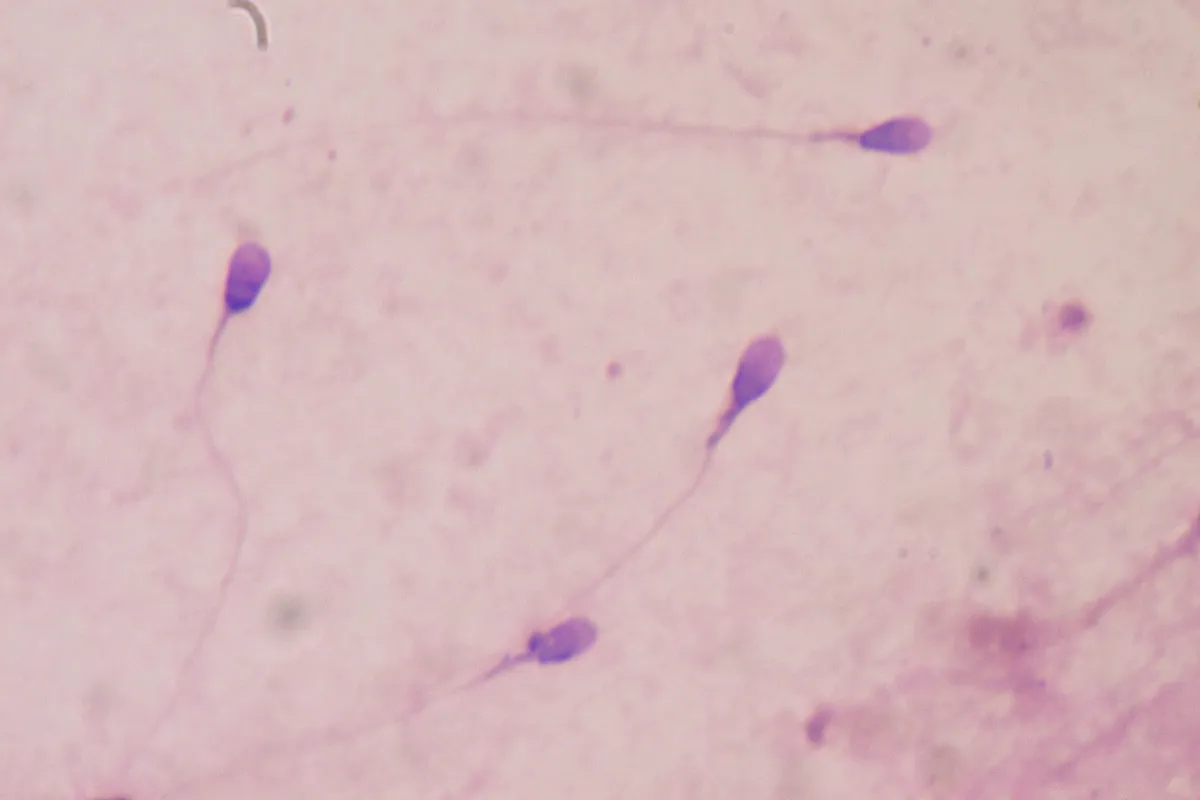
Infertility is a global health challenge that, according to World Health Organization (WHO) estimates, affects about 10 percent of the world's population, or at least 180 million couples. Male infertility is one of the most common causes of difficulty conceiving, but experts emphasize that certain lifestyle habits can significantly influence the preservation and improvement of reproductive health.
Sperm quality is not just about sperm count. Motility and shape, known in the field as morphology, are equally important because they enable the sperm to reach the egg. When a couple has regular unprotected intercourse for a year without achieving pregnancy, it is advised that both partners undergo examination. The first test to assess male fertility is usually a semen analysis, known as a spermiogram. If the first result is not within normal limits, the test is typically repeated after about three months to confirm the finding.
Male infertility can result from testicular diseases, hormonal disorders, genetic predispositions, use of certain medications, age, or previous surgeries. However, many studies indicate that lifestyle changes can be helpful, especially for men without a serious medical reason for infertility. Here are five key habits that can contribute to better sperm quality.
Diet is one of the factors with the most evidence regarding its impact on sperm quality. A diet rich in ultra-processed foods, saturated fats, refined carbohydrates, and added sugars is associated with poorer semen analysis results. This type of diet causes oxidative stress and an increased risk of overweight, which further harms reproductive health.
On the other hand, the Mediterranean diet, characterized by an abundance of fruits, vegetables, legumes, whole grains, nuts, and olive oil, with moderate fish consumption and lower red meat intake, has proven beneficial. Several studies have confirmed that men who eat this way have better sperm parameters. Research also points to the importance of specific nutrients such as omega-3 fatty acids, zinc, folate, and antioxidants like vitamin C, E, selenium, and coenzyme Q10. However, experts caution that there is more evidence supporting a whole healthy diet than individual supplements.
Regular exercise is beneficial for heart health, metabolism, and maintaining body weight, and it can also have a positive effect on male fertility. Men who are insufficiently active often have poorer sperm parameters, while moderate exercise contributes to better hormonal balance and more normal sperm production.
However, more is not always better. In some studies, extremely strenuous and prolonged training, such as that of professional athletes or marathon preparation, has been associated with lower testosterone and poorer sperm quality. Therefore, regular but moderate physical activity, tailored to the individual's age and health status, is recommended.
Smoking is one of the most well-researched factors negatively affecting male fertility. Smokers more often have lower sperm counts, reduced motility, and a higher number of deformed sperm. Growing evidence shows that e-cigarettes are not a harmless substitute because nicotine and other chemicals in the aerosol can negatively affect sperm.
As for alcohol, the greatest risk comes from chronic and excessive drinking, which is associated with lower testosterone and poorer semen quality. Particular warning is also given about recreational drugs such as cannabis, cocaine, MDMA, and opioids, which can disrupt hormonal balance and damage sperm DNA. It is important to know that the production of new sperm takes approximately three months, meaning that the positive effects of quitting these habits cannot be expected immediately, but only after several months.
Excess body weight not only increases the risk of chronic diseases but can also impair reproductive health. Obesity is associated with lower sperm counts and poorer semen quality, partly due to hormonal changes. In fat tissue, some testosterone is converted into estrogen, which can reduce sperm production.
On the other hand, being underweight is also not good because a lack of energy and nutrients can disrupt hormonal balance. Experts therefore emphasize that maintaining a healthy, balanced body weight is most important for reproductive health.
Normal sperm production requires a testicular temperature slightly lower than body temperature. Anything that raises scrotal temperature for prolonged periods can have a negative effect on spermatogenesis. According to research, frequent use of saunas and hot baths, as well as prolonged exposure to high temperatures at work, can reduce sperm quality. Men planning fatherhood are advised to limit such exposure whenever possible.
Lifestyle changes cannot eliminate all causes of male infertility, but they can be an important part of preserving reproductive health. If pregnancy does not occur after a year of regular unprotected intercourse, or after six months if the partner is over 35, a doctor should be consulted. The first step is usually a spermiogram, and depending on the result, additional tests may be needed to determine the cause and appropriate therapy.