The Kiss That Stopped a War
The story of Marijan and Ira Horvat, whose photograph from August 1995 became a symbol of love and hope during the Homeland War, still testifies to the power of unity.
The story of Marijan and Ira Horvat, whose photograph from August 1995 became a symbol of love and hope during the Homeland War, still testifies to the power of unity.
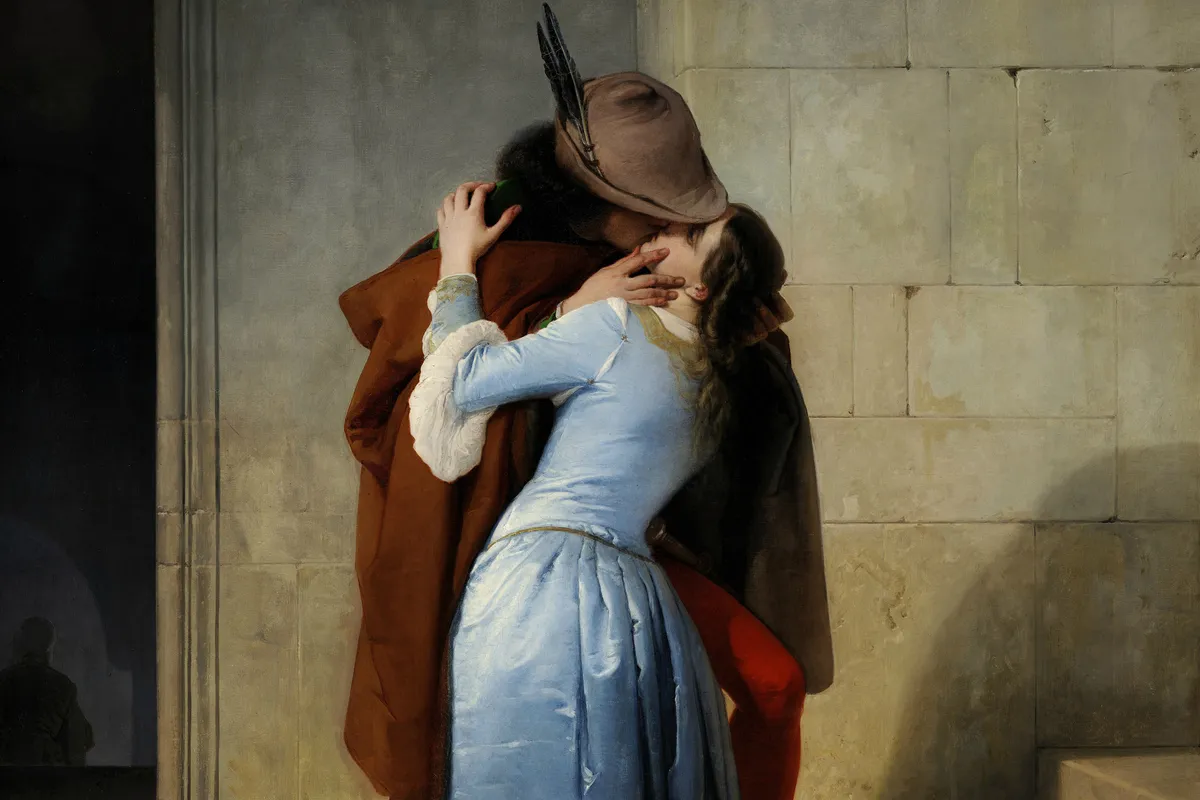
On the 31st anniversary of the military-police operation Storm and Victory Day, the story of one of the most touching photographs of the Homeland War resurfaces from collective memory. Its protagonists, Marijan and Ira Horvat, then a young couple and now spouses with nearly 30 years of shared life, recalled the moment captured by Večernji list photojournalist Lea Krivošić.
It was August 1995. Marijan Horvat (62), a member of the legendary 2nd Guards Brigade "Thunderbolts," was returning to his hometown of Sisak after participating in Operation Storm. On the road along the Kupa River stood his then-girlfriend Ira (51), then 21, waiting with hope and trepidation. "I didn't know if he would come. I just hoped, prayed to see him. That he was among those trucks. My greatest love," Ira told 24sata.
Her anticipation was soon rewarded. "I waited and watched every truck, wondering if he'd be in one of them. Then, suddenly, I saw him! My heart stopped," she recalled. Although orders were strict and soldiers were not allowed to leave their vehicles, Marijan, upon seeing Ira, did what his heart dictated.
"The truck wasn't allowed to stop, but Marijan leaned out and kissed me," Ira recounted. It was in that split second that young Sisak photojournalist Lea Krivošić happened to be in the right place. Her lens captured the kiss that would become a symbol of return, safety, and new beginnings. "We didn't know someone was taking our picture. Not at all! We were so happy, so fulfilled to finally see each other after so long. Everything else simply disappeared. As if the whole world had stopped, and only the two of us remained," Ira described that magical moment.
The photograph was taken near the park in Sisak. Today, Ira speaks of the photographer with special sorrow and gratitude: "Today I'm glad Lea captured that moment. Unfortunately, she has passed away. I always think of her and that moment when I pass by that place. It's hard not to."
Behind that famous photograph lies the life story of two humble people. At the time the photo was taken, they had been dating for two years, and today they have been married for nearly three decades. Their home is in Sisak, and their greatest pride is their daughter Tea. "And we're still the same, ordinary. That picture doesn't embarrass us. Quite the opposite. It shows love in difficult times," Ira said, revealing the secret to their long-lasting relationship.
"We've been through a lot. War, earthquake, illnesses... But we're still here. He was my support when I was struggling, and I was his when he was sick. That, I believe, is why we're still together. We sustain each other. We don't turn our backs. In good times and bad. There's no lasting love without that," Ira said sincerely. Marijan added with a touch of self-deprecation: "I can be difficult, yes. But who isn't? We don't consider ourselves special. We were who we were, and we've stayed that way. That's the picture, that moment. And that's why it has value."
Although they didn't seek attention, their photograph traveled all over Croatia. "Throughout the war, I avoided cameras, and now our photo has gone all over Croatia," Marijan joked. Today, a mural in Sisak features their kiss, which they say they deeply appreciate. "Someone put in the effort, and we're glad. We didn't seek attention," Marijan said.
They are aware that their photograph is still shared on social media, evoking emotions. "Of course, there's always someone with something negative to say. But most people see what matters, and that's love. Love in the midst of war. Love that survived everything," Marijan concluded, adding with a touch of lightness: "Better to be known for that than for something bad."