Three Summer Foods a Nutritionist Always Recommends
Nutritionist Ivona Brodić reveals how tomatoes, watermelon, and sardines, along with a simple plate rule, can keep you full, hydrated, and energized even in the hottest weather.
Nutritionist Ivona Brodić reveals how tomatoes, watermelon, and sardines, along with a simple plate rule, can keep you full, hydrated, and energized even in the hottest weather.
Summer heat often brings a loss of appetite, but it's precisely then that choosing foods that provide the body with enough energy and fluids becomes crucial. Nutritionist Ivona Brodić highlighted three foods she considers absolute winners on the summer menu for Zagreb.info, including one that many unfairly overlook.
When asked which three summer foods she would single out for their nutritional profile, Brodić didn't hesitate: tomatoes, watermelon, and sardines. Each brings specific benefits ideal for high temperatures.
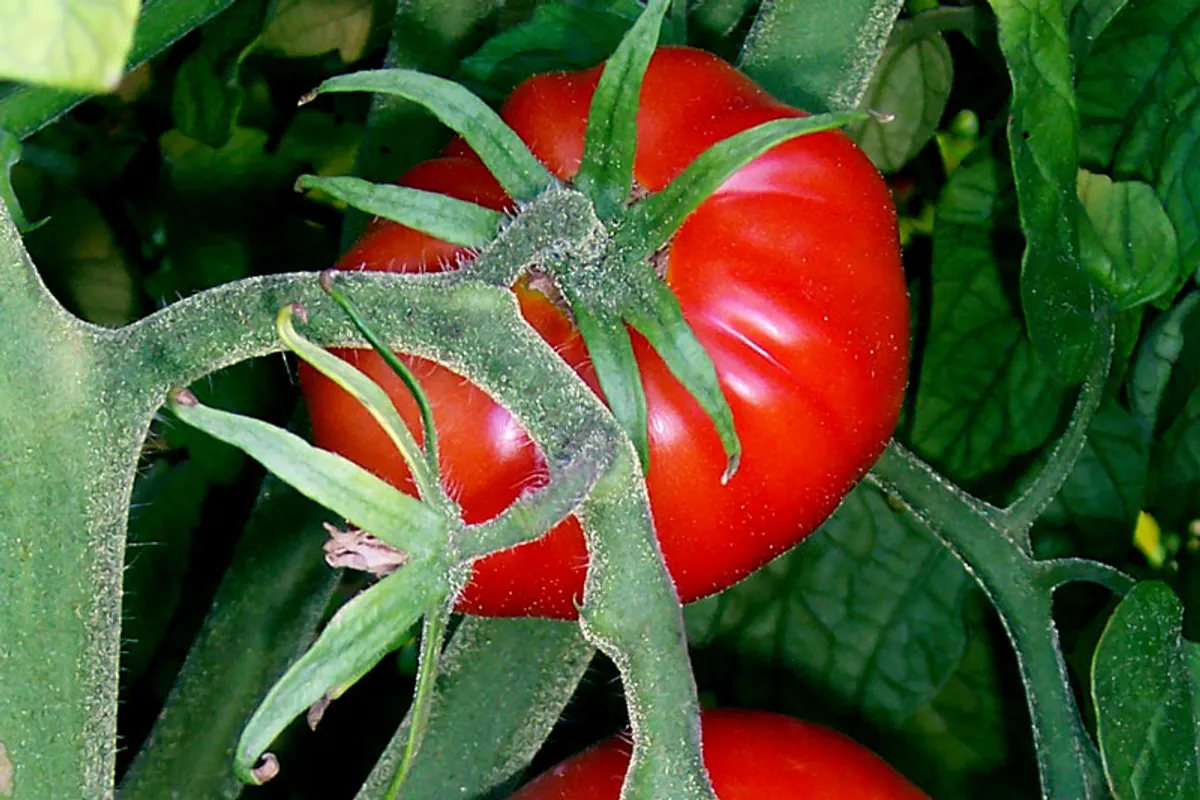
"If I had to pick just three foods, I'd choose tomatoes, watermelon, and sardines. Tomatoes are rich in lycopene, a powerful antioxidant that protects cells from oxidative stress. Interestingly, lycopene is even better absorbed when tomatoes are cooked and eaten with a little olive oil. Watermelon is over 90% water, refreshing and hydrating, while being low in calories and rich in vitamin C and lycopene. Sardines are one of the most nutritionally valuable fish we have. They're an excellent source of high-quality protein, omega-3 fatty acids, vitamin D, and calcium, and they're often more affordable than many other types of fish," Brodić explained.
It's precisely sardines that the nutritionist believes are unfairly neglected, especially during the summer months. Many reach for pricier fish assuming they're better quality, but the truth is quite different.
"We often go for more expensive fish thinking they're nutritionally superior, but sardines are actually one of the best choices. They're rich in omega-3 fatty acids, protein, vitamin D, and calcium, especially when eaten with their soft bones. Plus, they're a local, seasonal food that fits perfectly into the Mediterranean diet," Brodić emphasized.
To make a summer meal complete yet easy to digest, Brodić recommends a simple, memorable formula.
"The easiest approach is the half-plate rule. Fill half your plate with colorful seasonal vegetables, a quarter with quality protein like fish, chicken, eggs, or legumes, and the last quarter with whole grains, potatoes, or sweet potatoes. Top it all off with olive oil as a source of healthy fats. Such a meal keeps you full and energized without being heavy on digestion during high temperatures," she explained.
She also added a somewhat unexpected summer ally-warm soup. Light soups made from tomatoes, zucchini, or other seasonal vegetables help replenish fluids and minerals lost through sweating, provided they're not too fatty or salty.
Hydration doesn't rely solely on what we drink. Brodić points out that 20 to 30% of daily fluid intake can come from food. Among fruits, watermelon, cantaloupe, peaches, and nectarines lead the way, while cucumbers, tomatoes, zucchini, and lettuce are the best vegetable choices.
"Besides being high in water, they're packed with vitamins, minerals, and antioxidants that further help the body during high temperatures. That's why I always advise making seasonal vegetables half your plate in summer," she said.
As for beverages, water remains the top choice. In addition, mineral water, unsweetened herbal or fruit teas, homemade lemonade without added sugar, and fermented dairy products like kefir and yogurt are recommended. Electrolyte drinks are only useful for those who sweat heavily or spend long hours in the sun, while they're unnecessary for most people with a balanced diet.
To wrap up, the nutritionist summarized her main message:
"In summer, it's not about eating less, but eating smarter. Choosing the right foods, staying hydrated, and proper food storage make the difference between a pleasant day in the sun and a serious health issue."