The Forgotten Vegetable Rich in Fiber
Artichokes are eaten far less often in Croatia than they should be, and their nutritional profile makes them a valuable ally in a healthy diet.
Artichokes are eaten far less often in Croatia than they should be, and their nutritional profile makes them a valuable ally in a healthy diet.
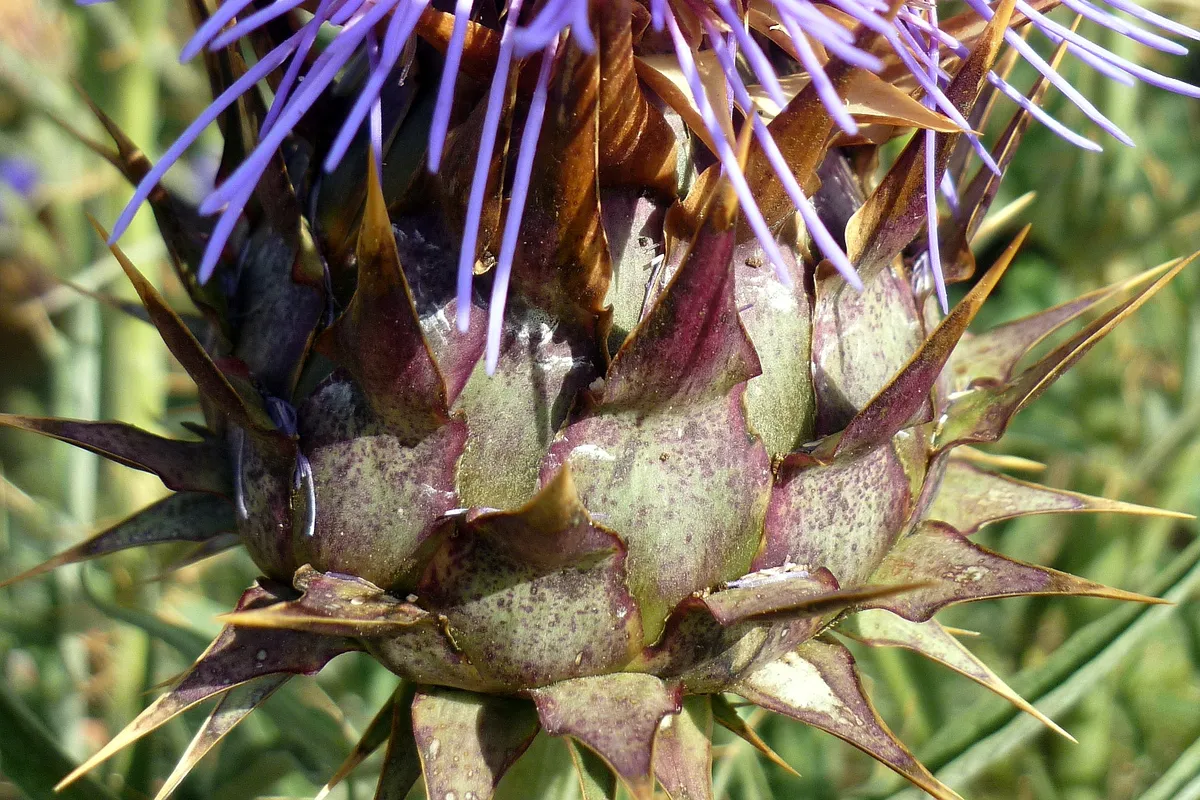
The most common triggers for changing eating habits are high cholesterol and excess body weight. In such situations, people often choose oatmeal, legumes, apples, and various green vegetables, but there is a food that we consume significantly less in Croatia, which, due to its nutritional properties, deserves a place in a healthy diet.
This is the artichoke, a vegetable rich in fiber that can be an interesting ally for anyone who wants to eat better, control their weight, and take care of their heart and blood vessel health. One cooked artichoke can contain about 7 grams of fiber, with a relatively small number of calories. This combination is especially important for a diet aimed at weight control.
Fiber increases the feeling of fullness, which can reduce the need for snacks. Additionally, it is crucial for proper digestion, and some types of fiber can help maintain better cholesterol levels.
The artichoke is also interesting for its potential impact on cholesterol. According to research, artichoke leaf extracts can have a favorable effect on total and LDL cholesterol. LDL is often called "bad" cholesterol because elevated levels can be associated with a higher risk of heart and blood vessel diseases.
It is important to note that research results on extracts cannot be directly equated with the effect of a single artichoke in a daily diet. However, incorporating artichokes into a varied diet with vegetables, fruits, whole grains, and legumes can be part of healthy eating habits.
Artichokes can be prepared by boiling, steaming, or adding them to various dishes. When the goal is to reduce calories, it is important to pay attention to the preparation method. Special caution is needed with ready-made, marinated artichokes, which can contain a lot of oil.
The artichoke itself is not caloric, but adding a lot of oil, fatty sauces, or other high-calorie ingredients can significantly increase the caloric value of the meal. Therefore, the artichoke should be considered one of many quality foods in a balanced diet, not a miracle cure for cholesterol or excess weight.
Of course, the artichoke alone will not lead to weight loss. Weight loss primarily depends on the long-term balance between energy intake and expenditure. However, foods rich in fiber and low in calories can make it easier to maintain a balanced diet.