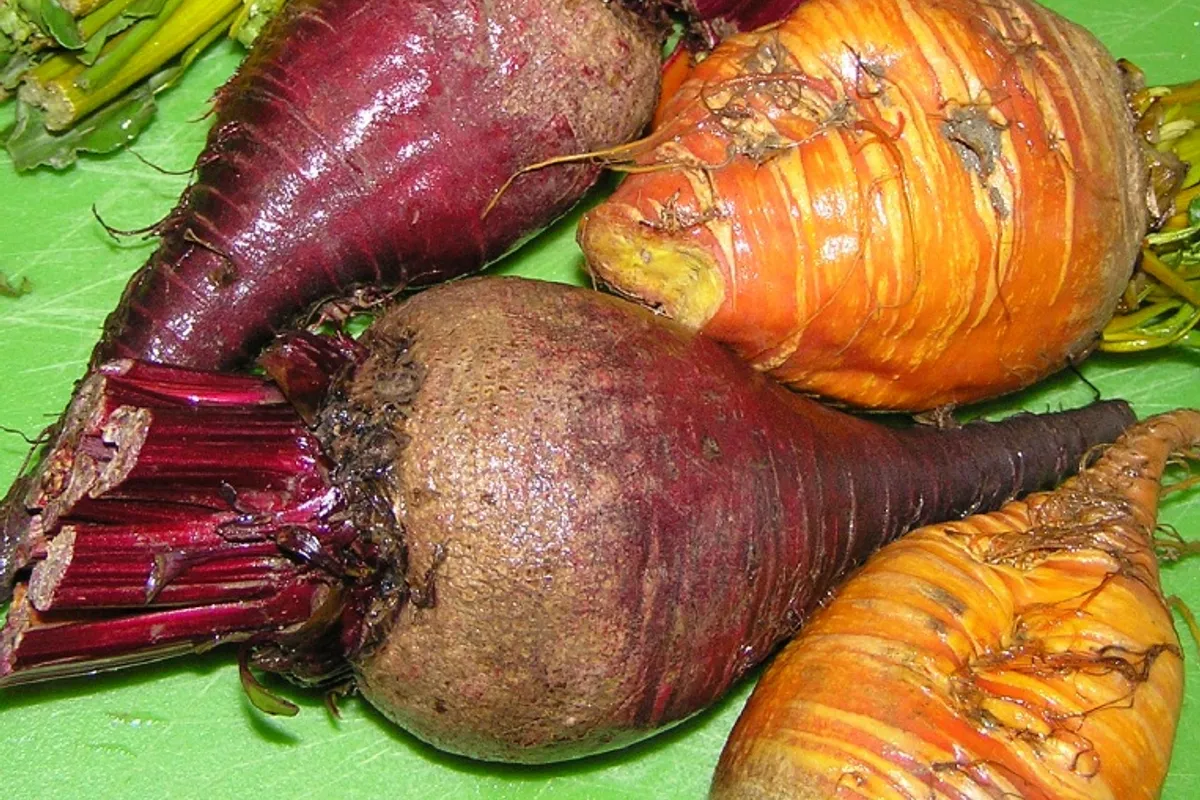
Although it is often less noticed than spinach at the market, Swiss chard is an exceptionally beneficial food whose medicinal properties were known in ancient civilizations. This simple green specialty, traditionally associated with fish dishes, is actually a true storehouse of nutrients essential for maintaining physical energy, as reported in an article by Dnevno.hr on August 17, 2026.
Ancient texts, such as those from the Babylonian Talmud, already highlighted Swiss chard as a plant that greatly benefits the heart, vision, and digestive system. Modern nutritional analysis supports these old claims, emphasizing its very low calorie count-just seven per cup of raw vegetable.
Rich in Minerals and Vitamins
The dark green leaves and succulent stalks of Swiss chard are packed with essential minerals like calcium, magnesium, potassium, iron, phosphorus, and copper. In addition to being mineral-rich, Swiss chard contains significant amounts of vitamins A, C, and K, as well as powerful antioxidants such as lutein and zeaxanthin.
Given that cooked Swiss chard is about 93 percent water, it is ideal for those watching their caloric intake while wanting to maintain good hydration and nutrient consumption.
Direct Impact on Heart and Bones
The high presence of nitrates, potassium, and magnesium in Swiss chard directly contributes to maintaining cardiovascular health and normal blood pressure. Particularly important is its high vitamin K content, which is crucial for calcium metabolism and thus directly affects bone strength and density.
Some studies point to the presence of alpha-lipoic acid, an antioxidant being investigated for potential beneficial effects on blood sugar levels and insulin sensitivity.
Swiss Chard vs. Spinach
Compared to spinach, Swiss chard features larger leaves and thicker stalks that can vary in color from white to red and yellow. Due to its texture, it requires slightly longer cooking, but it offers a higher amount of vitamins A, C, and K, as well as magnesium.
Both vegetables are low in calories and high in fiber, but Swiss chard, with its unique characteristics, deserves an equally important place in the daily diet. Incorporating these foods into your meals achieves a diverse and balanced diet that contributes to long-term health preservation.