Doctor advises: Replace some meat with legumes
A study from the University of Helsinki showed that simply swapping red meat for peas and fava beans yields measurable health benefits in just six weeks.
A study from the University of Helsinki showed that simply swapping red meat for peas and fava beans yields measurable health benefits in just six weeks.
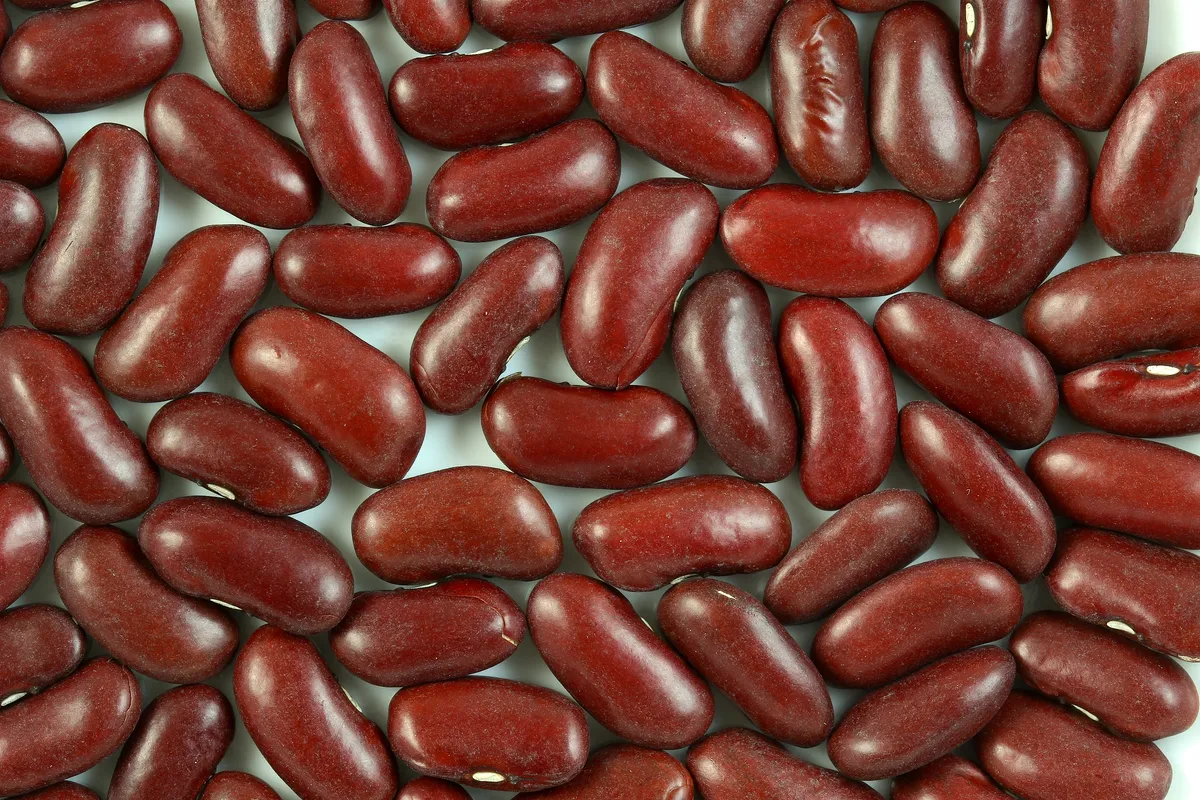
Popular physician Rajan Karan, known to his over five million TikTok followers as Dr. Raj, shared a simple tip for improving health. Citing scientific research, he recommended replacing some red and processed meat in your diet with legumes, such as peas and fava beans.
"If you eat a lot of meat like I used to, this simple swap could change your health," Dr. Raj said, as reported by Story.hr.
Dr. Raj referred to a study published in 2025 in the journal European Journal of Nutrition. Researchers at the University of Helsinki conducted it on 52 men. Of these, 51 were asked to reduce their intake of red and ultra-processed meat to just 200 grams per week, which accounted for about five percent of their total protein intake.
At the same time, their legume intake was increased to roughly 20 percent of total protein. Participants continued to eat chicken, eggs, fish, and other protein sources as usual. Crucially, they were not told to eat less or restrict calories.
After just six weeks, participants who ate more legumes lost an average of one kilogram. The positive changes didn't stop there. "By the end of the study, the men who ate more legumes had lower levels of total and LDL cholesterol, or 'bad' cholesterol, suggesting a reduced risk of heart disease," Dr. Raj explained to Story.hr.
A surprising finding was also an improvement in blood iron levels, given that red meat is traditionally considered a key source of this mineral.
The doctor emphasized that almost anyone can make this change. "Let's be honest, most of us consume more saturated fat than we should, and swapping some meat for beans is something almost everyone can do," he said.
As a practical example, he mentioned making spaghetti bolognese. He advises using half the ground beef and topping up the dish with beans. "You'll hardly notice the difference in taste because beans have a mild flavor, and at the same time, you'll increase your intake of fiber, polyphenols, and protein without the saturated fat," he added.
One of the study's authors, Professor of Molecular Nutrition Anne-Maria Pajari from the University of Helsinki, noted that participants often monitor their diet more carefully during studies, which can affect results. However, in this case, the difference was clear.
"But in this study, despite its short duration, the group that ate legumes lost significantly more weight than the group that continued to eat more meat. We didn't encourage them to lose weight; we just asked them to continue eating as before, with the foods we provided," Pajari told Story.hr.
She added that the legumes given to participants were simple and quick to prepare, and they also received recipes. "Based on our results, I believe that a moderate shift toward a more sustainable diet, with more peas, beans, and lentils, is feasible for most people," she concluded.