Fatty Liver Doesn't Come from Bacon
Physician Dr. Predrag Nenadić has debunked one of the most widespread dietary myths: it's not fats but sugar and refined carbohydrates that are responsible for fat accumulation in the liver.
Physician Dr. Predrag Nenadić has debunked one of the most widespread dietary myths: it's not fats but sugar and refined carbohydrates that are responsible for fat accumulation in the liver.
Non-alcoholic fatty liver disease is increasingly affecting people today, yet the common belief about its main culprit is completely wrong. According to Dr. Predrag Nenadić, a physician specializing in this issue, the real cause lies in everyday foods that we don't initially consider dangerous. The liver, the organ responsible for processing nutrients and eliminating toxins, becomes a victim of what most of us consume without a second thought.
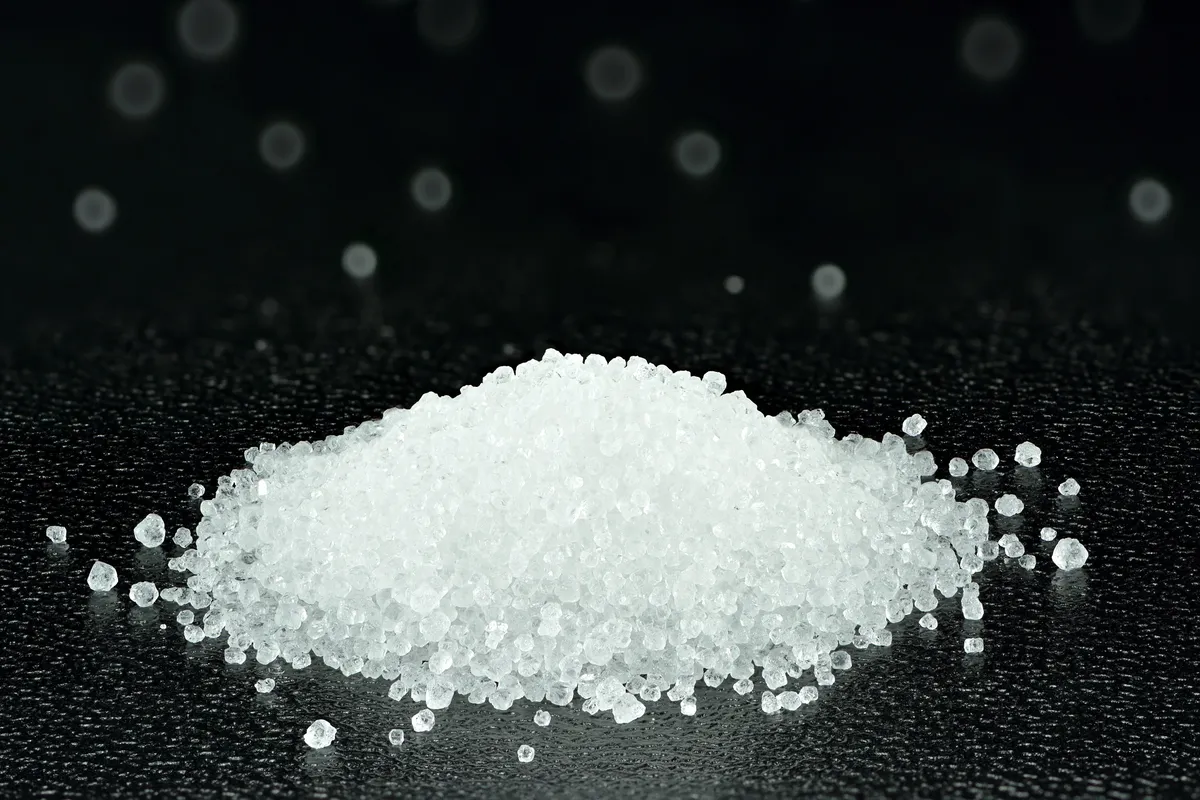
Dr. Nenadić emphasizes that fat in the liver typically doesn't accumulate due to fatty foods, but rather from excessive intake of sugar and processed carbohydrates.
"One of the biggest misconceptions is that fatty foods cause fatty liver. In reality, the liver converts excess sugar into fat tissue and stores it in its cells,"he stated for Story.hr.
Fructose from industrially processed foods is particularly dangerous. It hides in carbonated drinks, sweets, baked goods, and so-called fruit beverages enriched with glucose-fructose syrup. This form of sugar, the doctor points out, significantly raises triglyceride levels and promotes the buildup of fat deposits in liver cells.
Many consumers view fruit juices as an excellent health choice, but industrially produced versions are often loaded with added sugar. Although marketing presents them as natural, many of these products are actually concentrated sources of fructose. This further burdens the liver and disrupts its normal functions, experts warn. When the liver isn't working at full capacity, the body struggles to eliminate harmful substances, which can affect energy levels, metabolism, and even the appearance of skin, hair, and nails.
Contrary to widespread belief, there are fats that actually help the liver. Dr. Nenadić highlights several types that can be beneficial to the body:
The doctor particularly emphasizes the role of choline, also known as vitamin B4, which participates in fat metabolism and helps the body distribute cholesterol more effectively.
In addition to healthy fats, adequate fluid intake and dietary fiber are crucial for normal liver function. The list of recommended foods includes:
These foods can support natural detoxification processes and improve digestion, thereby directly relieving the liver in its daily tasks.
For non-alcoholic fatty liver, the most important change is in dietary habits. Reducing intake of industrially processed foods, carbonated drinks, sweets, and anything containing added sugars should be a priority. At the same time, it's recommended to base your diet on fresh, whole foods, drink plenty of water, and exercise regularly. Although this condition often develops without clear symptoms, adopting healthier habits can significantly reduce the risk of disease progression and preserve the health of this vital organ.