Analysis: Global food prices could jump more than 16 percent by 2027
Global food prices could rise 11.8 percent this year, with wheat, fruit, and vegetables hit hardest. Price hikes in stores are expected by autumn.
Global food prices could rise 11.8 percent this year, with wheat, fruit, and vegetables hit hardest. Price hikes in stores are expected by autumn.
Global food prices are on the rise again, driven by wars, drought, and increasingly expensive energy. According to an analysis by Oxford Economics, food prices worldwide could jump 11.8 percent in 2026 and an additional 4.8 percent in 2027.
Agricultural products, especially grains, fruit, and vegetables, as well as dairy products, will be hit hardest, said Tomas Dvorak, senior economist at Oxford Economics.
"Agricultural products, grains, fruit, and vegetables, as well as dairy products, will be hit hardest."
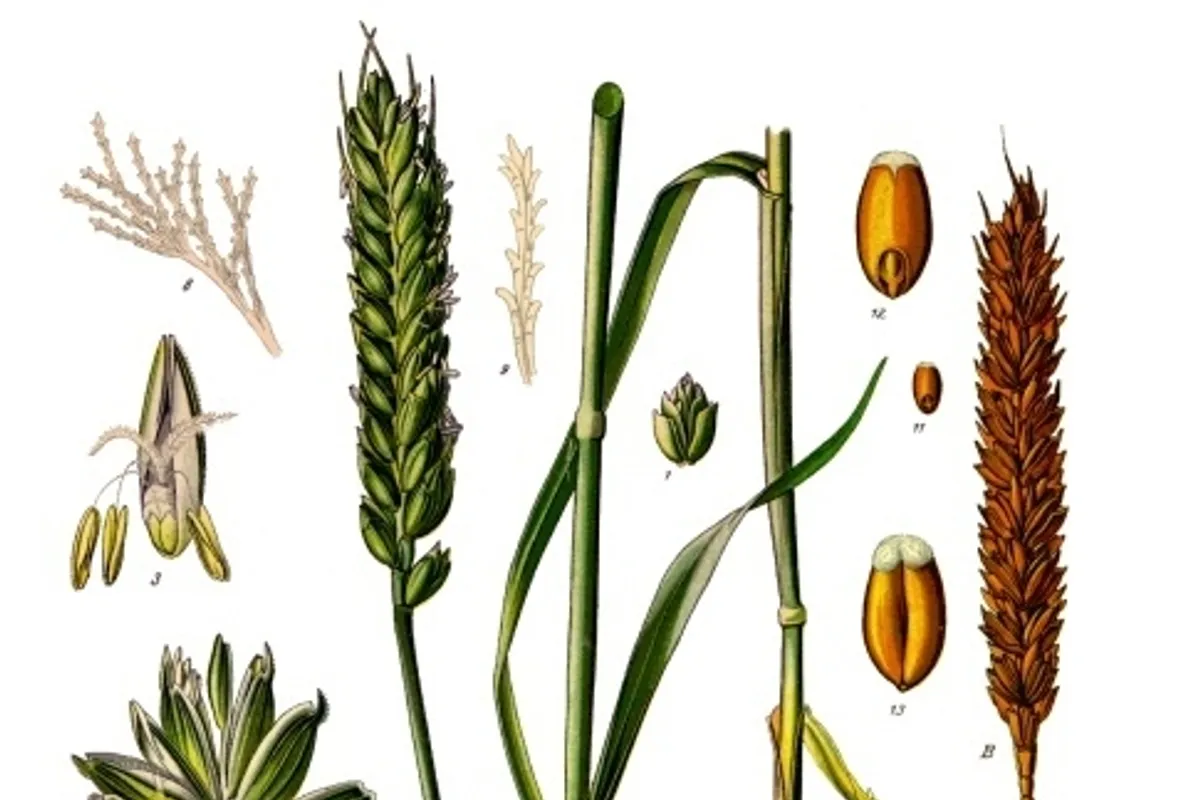
Wheat is particularly vulnerable, as its cultivation requires large amounts of fertilizer. Experts predict that in the third quarter of 2026, its price could be around 36 percent higher than in the same period the previous year, reaching $6.92 per bushel, which is roughly 27 kilograms.
This is crucial because wheat is used in many everyday foods, such as bread, pasta, breakfast cereals, and biscuits.
The effects of extreme weather are only part of the problem. Due to the war and the blockade of the Strait of Hormuz, which has disrupted the supply of oil and other raw materials, farmers are facing increased costs.
Dvorak told Euronews Business that the biggest impact on global food prices currently comes from
"the US-Iranian war and its impact on inputs in food production, primarily oil, i.e., diesel, natural gas, and fertilizer."
According to Oxford Economics data, global diesel prices in July were 36 percent higher than a year earlier. Meanwhile, fertilizer prices are expected to rise by 22 percent this year.
The war in Ukraine continues to have a strong impact on the food market. Grains account for a quarter of the global food price index, and Russia and Ukraine together provide nearly 30 percent of global wheat exports and more than 10 percent of corn exports.
Attacks on Russian and Ukrainian ports, loading terminals, and ships, as well as disruptions in exports via the Black and Azov Seas, could reduce the export capacity of 86 million tons of grain annually. Of that, 52 million tons come from Russia and 34 million from Ukraine, together accounting for nearly 17 percent of total global grain exports.
European farmers are simultaneously battling several issues this year. Extreme heat and drought have damaged crops. Due to the July heatwave, the European association of grain and oilseed traders, Coceral, has lowered its estimate for this year's harvest in the 27 EU member states and the UK.
The projected grain volume now stands at 286.6 million tons, instead of the previously expected 295.5 million tons. For comparison, last year's harvest was 310 million tons.
Germany is also expected to face a tough situation, with the grain harvest potentially falling by seven percent due to drought and heatwaves. According to the German farmers' association, production will reach 41.9 million tons.
According to FAO data, in July, global prices for food commodities were one percent higher than in the same month the previous year. Grain prices rose by 6.9 percent, while vegetable oils increased by approximately 17.3 percent.
However, an increase in the Oxford Economics index does not mean that store prices will rise by the same proportion. The index tracks commodity prices, and the final retail price also depends on additional costs.
Consumers are likely to feel the effects first with fresh food.
"For fresh food, especially fruit and vegetables, the effect will be relatively quick and likely visible in consumer prices within two to three months. For processed food, the lag is usually longer due to the time needed for harvesting and processing. We expect the biggest impact on consumer prices there in about six to nine months,"Dvorak explained.
This means that disruptions in fresh food prices could be felt between October and November 2026, while the biggest impact on processed products could occur between February and May 2027.
Jed Cartledge, an economist for agricultural commodities at Oxford Economics, notes that the price shock could be even greater than current predictions. The full impact of the attacks in the Black Sea is not yet known, and a strong El Niño could negatively affect crops beyond Europe.
However, there is a factor that could mitigate some of the disruptions. If wheat prices rise enough, more expensive alternative export routes could become viable, thus compensating for some of the lost capacity.