Hvar in Peak Season: Restaurants Full, Beer Prices Up to 8 Euros
While the coast talks of empty restaurants, Hvar paints a different picture. Tourists are pleased with the calmer atmosphere, and hospitality workers say the drop in guests is minimal.
While the coast talks of empty restaurants, Hvar paints a different picture. Tourists are pleased with the calmer atmosphere, and hospitality workers say the drop in guests is minimal.
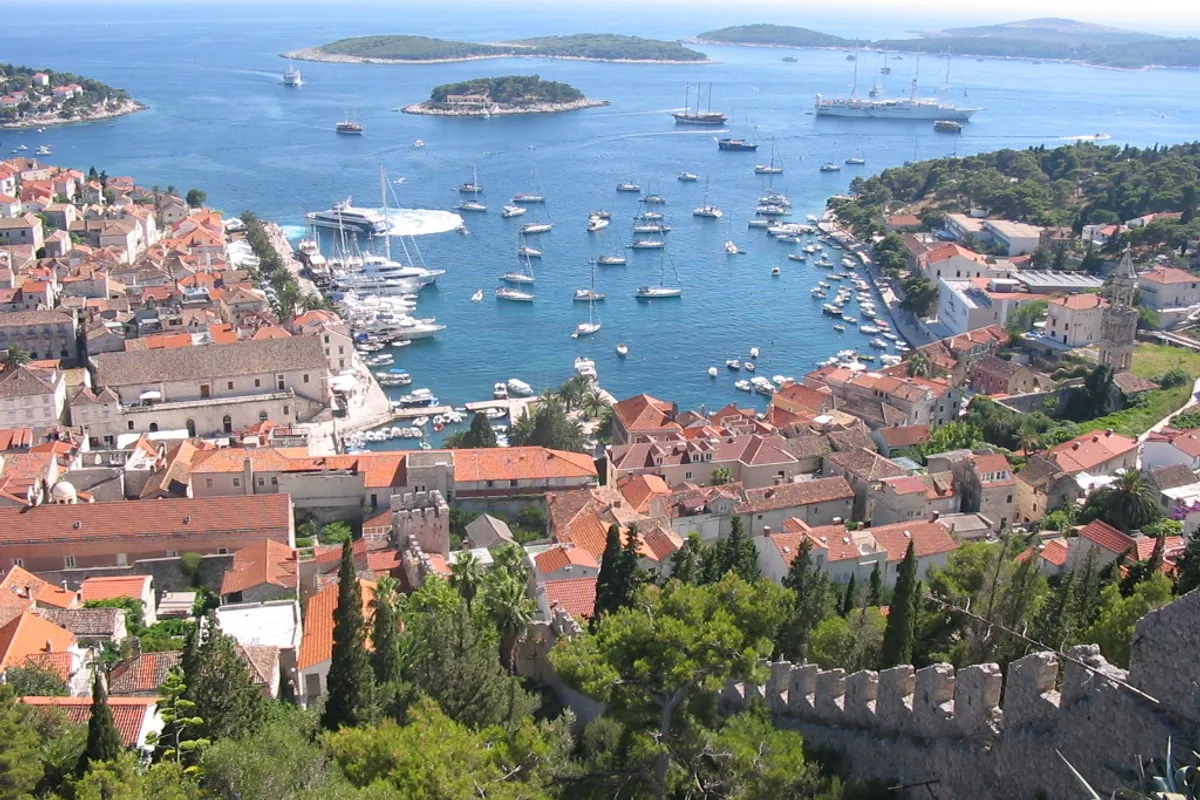
While there has been increasing talk of empty restaurants and a poor season along the Croatian coast, Hvar presents a completely different situation. Restaurants are packed with guests, and lines of tourists waiting for a free table form outside many of them. On one of Croatia's most popular islands, tourist activity is clearly in full swing, according to a report from Index.hr on the ground.
Hvar has long been one of Croatia's most sought-after tourist destinations. In its most successful years, it reached as many as 900,000 overnight stays, and Index reporters checked the atmosphere during the peak of this summer's season on the streets of Hvar town.
Hvar, once known for its vibrant nightlife and scenes that often dominated the media, now looks calmer and tidier. During the day, most visitors head to the beaches and the Pakleni Islands, one of the most attractive points in the Hvar archipelago, so the town's streets are noticeably quieter.
Tourists who spoke to reporters say that this balance-a lively atmosphere without excessive crowds-makes Hvar an ideal summer destination. "Yes, the town is alive, but in a good way. It's not overcrowded, even though there are plenty of tourists and sailors. I've also noticed a lot of local people, which I particularly like. It seems to me that the life of the residents and the tourist atmosphere blend nicely here, and people are very kind and warm," a Swede who arrived in Hvar with friends told Index.
Matthew from Canada has come to Hvar for the second time. He clearly remembers the years when the town was full of young tourists who came primarily for the nightlife, and he says this year's atmosphere is noticeably different.
"Two years ago, there were more people and bigger crowds. It was also much noisier, and we heard that certain restrictions were introduced because of the local population. Now the town is more walkable, it's easier to find a place in a restaurant, and the atmosphere is more relaxed. I prefer Hvar like this during the day. We'll see what the nightlife is like, but I believe it will be great too," Matthew told Index.
Local restaurateurs and rental owners say they have no reason for dissatisfaction. In some restaurants, guests wait in line for a table and are willing to wait to dine there. A skipper from Hvar, who runs excursions to the Pakleni Islands and water taxi services, says the season isn't significantly worse.
"I wouldn't say the season is significantly worse. There are somewhat fewer guests, but certainly not 30 or 40 percent, as you might hear. In our business, the drop is maybe between five and ten percent, which is quite normal. The crisis is felt everywhere, not just in Croatia. In my opinion, Hvar is still doing very well, even better than many other destinations. When you look at Korčula or Bol, the drop is much more noticeable there. We can be satisfied here," the skipper told Index.
Ivan Gospodnetić, owner of the restaurant Gariful, confirms they've been full all summer. "As every year, we're full of guests. Maybe we feel a slight drop, partly due to the World Cup, but it's really negligible. We have no reason to complain. The restaurant is constantly full, reservations come in day after day, and often we no longer have space to accept new guests. I believe the situation is similar for most of my colleagues on the island. Without a reservation, it's very hard to find a free table. Sometimes someone cancels and a spot opens up, but that's really rare," Gospodnetić told Index.
He adds that daytime crowds are smaller because guests are at the beaches. "Take a walk through town tonight and you'll see for yourself. During the day, in this heat, it's normal that there aren't many people on the waterfront or in the streets because everyone is at the beaches or the Pakleni Islands. That's our biggest asset. But in the evening, the town will be full, and you'll have a hard time making your way through the crowd," he added.
Hvar has long been synonymous with luxury tourism. Every summer, luxury yachts sail into the town harbor, and the island also attracts celebrities from around the world. However, with growing popularity, prices have also increased, which has been noticed by guests who return to Hvar every year.
In addition to upscale restaurants, Hvar also offers more affordable options, but prices are still among the highest on the coast. Chicken salads start at 10 euros, pizzas around 20 euros, burgers around 16 euros, while pasta dishes often cost between 18 and 28 euros. As for drinks, cocktail prices depend on the location and offering, usually starting at 10 euros.
"This is my second time in Hvar, and I must admit I notice it's somewhat more expensive compared to the other islands we've visited nearby. It's not excessively expensive and still affordable for us, but prices are higher than in some other destinations," Eric from Norway told Index. Stefano from Italy adds: "I'm from Italy, and it's true, Hvar is a bit more expensive, but I wouldn't say it's overly pricey. It's wonderful here; we've only been here a few days and we're already planning to return next month."
A tourist from England complained about prices, especially the cost of beer. "I think Hvar is very expensive. A beer costs eight euros, and I'm used to paying about three euros. That surprised me quite a bit," Leon told Index. Girls from Ireland, visiting Hvar for the first time, say the island is calmer than Split. "Hvar is a bit more expensive than Split. We paid 700 euros for four nights for the four of us, which we think is quite reasonable. The apartment was nice too. Food is a bit pricier, but nothing excessive. It's nice and quiet here, although there's a bit of a crowd, but it's not bad," they agreed.
Although it's noticeable on Hvar that guests are more careful about where they spend their money, the island still retains its appeal. During the peak of the season, restaurants are full, there's often a wait for a table, and the town attracts tourists from all over the world. The final results of the tourist season will be known after the summer, but based on current scenes, Hvar continues to confirm its status as one of Croatia's most famous destinations.