Nutritionists revealed which nut is better for weight loss
Dietitians compare nutritional content and benefits for portion control, while the Mayo Clinic emphasizes three key priorities for preserving muscle mass and energy during weight loss.
Dietitians compare nutritional content and benefits for portion control, while the Mayo Clinic emphasizes three key priorities for preserving muscle mass and energy during weight loss.
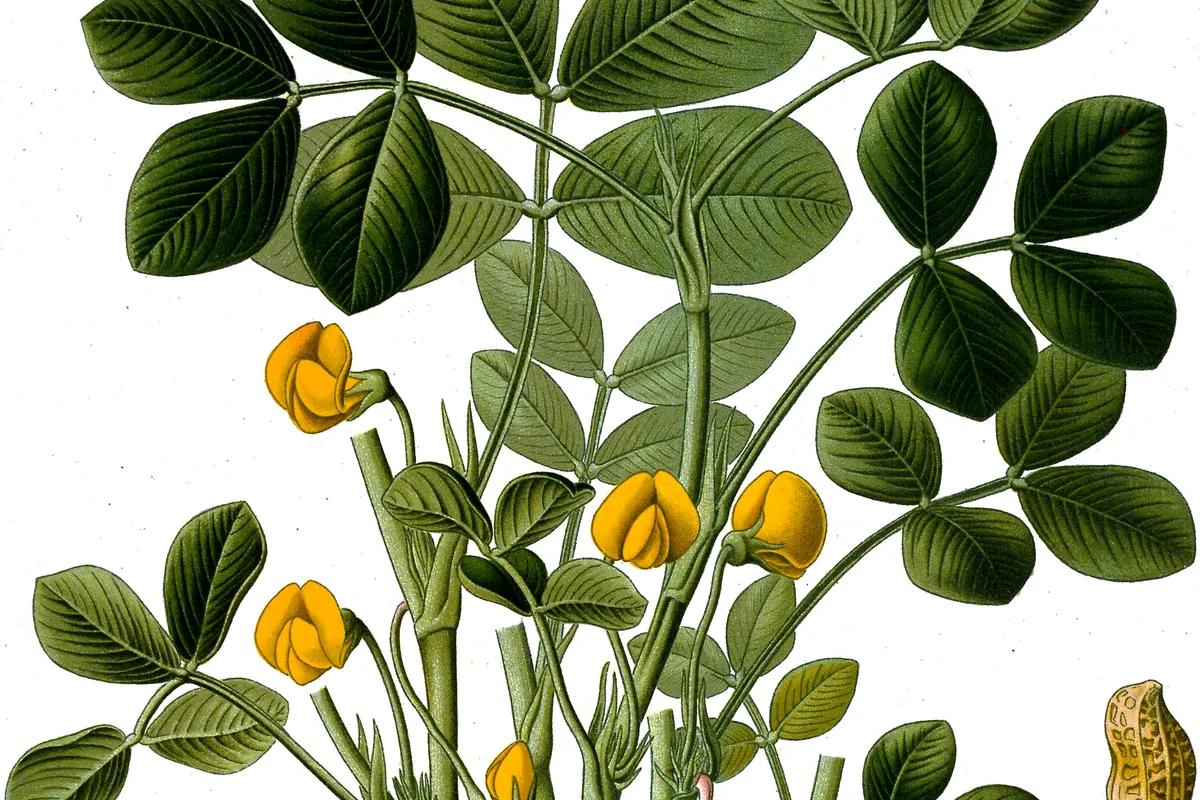
When choosing snacks to help with weight control, pistachios and peanuts are often at the top of the list. Both nuts are rich in nutrients and can contribute to a feeling of fullness, but the question remains: which is ultimately a better ally for weight loss? Registered dietitian Nicole Randaco and dietitian Lauren Harris-Pinkus provided the answer for N1 Srbija, while the portal Telegram.hr further highlights the bigger picture, three priorities everyone should consider during a calorie deficit.
Both foods have almost identical calorie counts. A 28-gram serving of peanuts contains 166 calories, seven grams of protein, two grams of fiber, and 14 grams of fat. The same amount of pistachios provides 162 calories, six grams of protein, three grams of fiber, and 13 grams of fat. The difference in macronutrients is negligible, just one gram of protein or fiber, so both nuts can be part of a balanced diet.
What gives pistachios a slight edge, explains Randaco, is the number of individual kernels you get within the same calorie quota.
"When the goal is weight loss, I would give a slight advantage to pistachios for several reasons. Since they are most often eaten in the shell, they naturally slow down the pace of eating, and the empty shells provide a visual indicator of how much you have eaten, which can help avoid mindless snacking," she told N1 Srbija.
Specifically, 28 grams of pistachios yield approximately 49 kernels, while the same weight of peanuts provides only 28 kernels. The larger number of pieces and the need for shelling can enhance the feeling of a more substantial snack and support more mindful consumption. However, peanuts in the shell also offer similar benefits, slowing down snacking and providing a visual cue of the amount consumed.
'Nuts like pistachios and peanuts don't aid weight loss because they are low in calories, but because they represent a convenient, nutritious snack or meal addition that is easy to carry with you,' Randaco emphasizes. The key advantages are the combination of protein, fiber, and healthy fats, which slow digestion and stabilize energy levels. 'The combination of protein, fiber, and healthy fats slows digestion, provides more stable energy levels, and reduces cravings for snacks,' she adds.
Harris-Pinkus, on the other hand, points out that replacing highly processed snacks with peanuts or pistachios can lead to a lower overall calorie intake throughout the day. Both nuts 'are rich in nutrients and have very similar macronutrient content,' she concludes.
While the debate often revolves around calorie count, experts from the Mayo Clinic, as reported by Telegram.hr, warn that any significant weight loss, whether from diet, medication, or GLP-1 therapy, carries a risk of losing lean body mass. It is estimated that 25 to 40 percent of lost weight can be water and muscle, making it crucial to focus on protein, strength training, and micronutrients.
For people losing weight more intensively, the Mayo Clinic recommends a daily protein intake of 1.2 to 1.6 grams per kilogram of body weight, significantly above the general recommendation of 0.8 grams. Protein sources, eggs, fish, poultry, dairy products, or legumes, should be distributed across all meals.
In addition to protein, strength training is the most effective way to preserve muscle mass. Even small amounts of bodyweight exercises or light weights can make a difference. At the same time, reduced food intake increases the risk of nutritional deficiencies. 'A significant proportion of people taking GLP-1 drugs develop at least one nutritional deficiency within the first year of therapy,' Telegram.hr reports, citing research.
Vitamin D, B vitamins, calcium, magnesium, and iron are the most common nutrients to watch out for. This is precisely why dietary supplements combining a wide range of vitamins and minerals are appearing on the market, aiming for continuous body supply. In the promotional part of the article, Telegram.hr highlights Plivit Total Energy, a product from the Croatian pharmaceutical company PLIVA, which contains 12 vitamins, nine minerals, and coenzyme Q10, with an extended-release formula designed to release active substances over eight hours.
Whether you choose pistachios, peanuts, or both, the key remains portion control and a holistic approach that preserves muscle and energy. As the Telegram article concludes, true health is not measured only by the number on the scale, but by the energy, strength, and vitality we maintain on the path to our goals.