Three Ideal Dishes for a Flat Stomach After 40
Lourdes Llorente, an expert in weight loss and bloating reduction, shared simple recipes that don't require fasting.
Lourdes Llorente, an expert in weight loss and bloating reduction, shared simple recipes that don't require fasting.
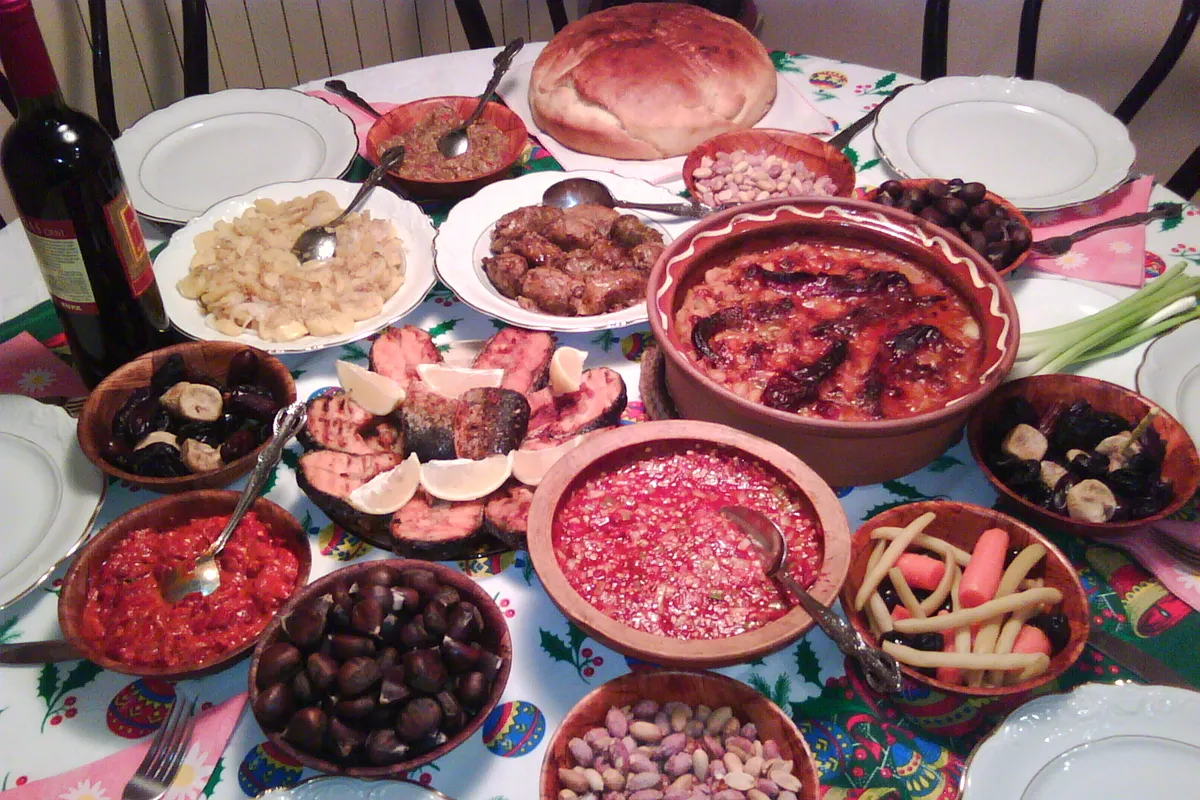
Maintaining a desired body weight after forty becomes a challenge for many, but that certainly doesn't mean skipping dinner or reducing it to a few lettuce leaves. Quite the opposite, Lourdes Llorente, a nutritionist specializing in weight loss and bloating reduction, emphasizes that a well-planned dinner can be delicious, nutritious, and filling enough to prevent late-night snacking.
It's key to remember that there is no single magic dish that melts pounds on its own. The focus is on overall eating habits, portion control, regular physical activity, and sustainable long-term practices. For Tportal, Llorente highlighted three practical dinners that are easy to prepare and combine protein, vegetables, and healthy fats.
Salmon with asparagus and a mayo-soy sauce. Salmon prepared in an air fryer or oven is a quick and effective solution. Serve it with briefly sautéed green asparagus and a little mayo-soy sauce. The combination of protein, vegetables, and moderate fats promotes a longer feeling of fullness, and you don't have to completely eliminate sauces-just watch the portion size.
Omelet wrap with avocado and tomato. Instead of a classic tortilla, use a thin omelet made from one or two eggs, filled with avocado slices and fresh tomato. Optionally, add herbs, pepper, or a few drops of lemon juice. This dish combines egg protein, healthy fats from avocado, and fiber and vitamins from tomato, making it ideal for warmer days when you want something quick yet light.
Chilled white asparagus cream. For hot summer evenings, a chilled cream is perfect. You'll need a jar of white asparagus, two boiled eggs, a little olive oil, and salt. Blend the ingredients until smooth and creamy, and for a crunchy finish, add briefly fried cubes of ham or prosciutto. The eggs give the cream richness and make it more filling, and the dish can be prepared in advance and stored in the fridge.
Llorente advises caution with foods that can cause gas and bloating in some individuals. "In the evening, I would avoid green salad and leafy greens because they often cause a lot of gas and bloating," she told Tportal. Legumes are also recommended to be consumed earlier in the day when we are still active.
However, she stresses that digestive reactions are highly individual. If salad or legumes don't cause you discomfort, there's no need to eliminate these nutritious foods. The same goes for onions and garlic. Additionally, the nutritionist suggests reducing large portions of pasta, refined flour, and especially fatty dishes if they make you feel heavy afterward.
"I recommend an earlier dinner, around 8, 8:30, or 9 PM. That way, we go to bed after we've already digested a good portion of the meal," Llorente explains. However, more important than the exact time is your bedtime. Someone who goes to bed at midnight will have a different schedule than someone who turns in at 10 PM. Generally, it's recommended to avoid heavy meals right before sleep, especially if they cause heartburn or discomfort.
After dinner, the nutritionist also recommends a cup of herbal tea, such as chamomile, linden, or ginger. "Such a drink can be very relaxing and help with bloating," she says. It's best to choose drinks without added sugar.
A big problem arises when we eat too little during the day and then try to make up for it at dinner. "To avoid arriving at dinner feeling like you could eat the whole fridge, I recommend three main meals and two snacks-one in the morning and one in the afternoon," advises Llorente.
For a sweet snack option, she suggests yogurt with berries and chopped walnuts. "This gives you a balanced snack and prevents you from coming to dinner needing to eat everything in sight," she notes. Those who prefer savory flavors can opt for pickles, radishes, or sliced carrots, though pickled vegetables should be eaten in moderation due to their salt content. The goal is to find a rhythm that prevents excessive hunger and is practical and tasty enough to become a lasting habit, not a short-term diet.