This Fruit Hides Up to 23 Grams of Sugar Per Cup
British nutrition expert Dr. Michael Mosley warns that not all fruits are equal when it comes to natural sugar content and reveals the best low-calorie alternatives.
British nutrition expert Dr. Michael Mosley warns that not all fruits are equal when it comes to natural sugar content and reveals the best low-calorie alternatives.
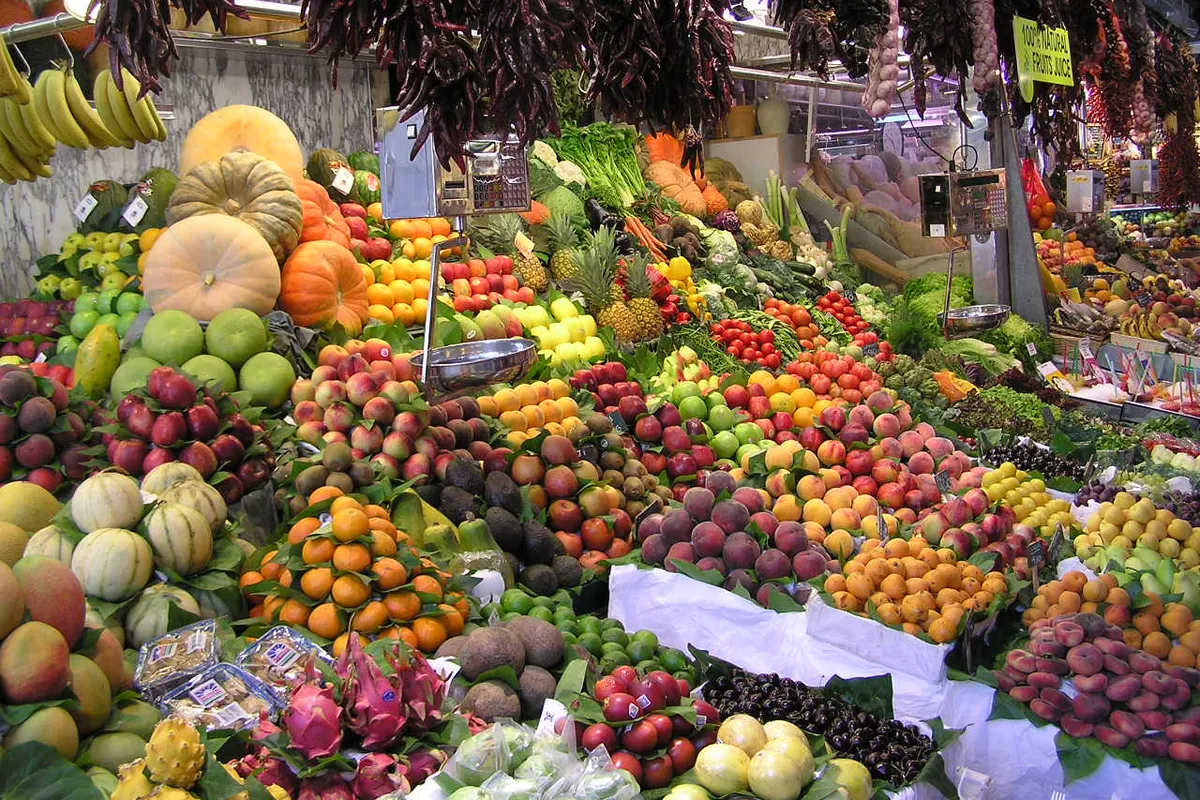
When we start losing weight, fruit usually seems like the logical choice to satisfy a sweet tooth. However, although it is rich in fiber, vitamins, and water, there are significant differences in the amount of natural sugars among certain types. Dr. Michael Mosley, a British nutrition expert and author of 'The Fast Diet,' warns that some fruits should be consumed with more caution if the goal is shedding extra pounds, as reported by Story.hr.
This doesn't mean they should be completely eliminated from your menu. The emphasis, as Mosley points out, is on portion control and frequency of consumption, especially when fruit is eaten in larger quantities or combined with other calorie-dense foods.
Bananas are nutritious and convenient, but they contain more natural sugar and calories compared to most berries. Still, they can be a perfectly good choice before physical activity or as part of breakfast. The problem only arises when you eat several bananas a day or regularly pair them with other high-calorie foods.
Grapes are particularly easy to overconsume because they are small and tasty. One cup of grapes contains about 23 grams of sugar, and it's common to eat far more than planned. Mosley advises that instead of eating directly from a large bowl, you should portion out one serving and put the rest away.
Pineapple has a distinctly sweet taste and a relatively high natural sugar content. Since it's juicy and refreshing, it's easy to eat too much of it. Fresh pineapple is a better choice than sweetened or canned pineapple in syrup, which can contain added sugars.
Melon is light and full of water, which is why many consider it the ideal summer fruit. However, its sweet taste also indicates a higher amount of natural sugar. A smaller portion of melon can fit into a balanced diet, especially if eaten on its own or with a source of protein like Greek yogurt.
Apples are a practical choice for reducing sugar intake. They are naturally sweet but also contain fiber that contributes to a feeling of fullness. A whole apple is a better option than juice because juicing loses some of the fiber while the sugar remains. Chewing whole fruit also helps control appetite.
Berries, such as raspberries, strawberries, blackberries, and blueberries, are among the best choices for anyone watching their sugar intake. For example, a cup of raspberries contains only about 5 grams of sugar. Additionally, berries are rich in fiber and pair well with Greek yogurt, cottage cheese, or oatmeal, creating a more satisfying snack.
Avocado is an interesting exception because botanically it's a fruit, but nutritionally it differs significantly from sweet varieties. A whole avocado contains only about 1.33 grams of sugar, but it's rich in healthy fats and therefore higher in calories. It shouldn't be avoided due to sugar, but portion size matters here too, so half an avocado with a meal is often sufficient.