Ultra-Processed Foods Linked to 4% Higher Mortality, Study Finds
Research published in The Lancet, spanning 30 years, warns of serious health risks, including obesity and chronic diseases, while experts advise a return to fresh foods.
Research published in The Lancet, spanning 30 years, warns of serious health risks, including obesity and chronic diseases, while experts advise a return to fresh foods.
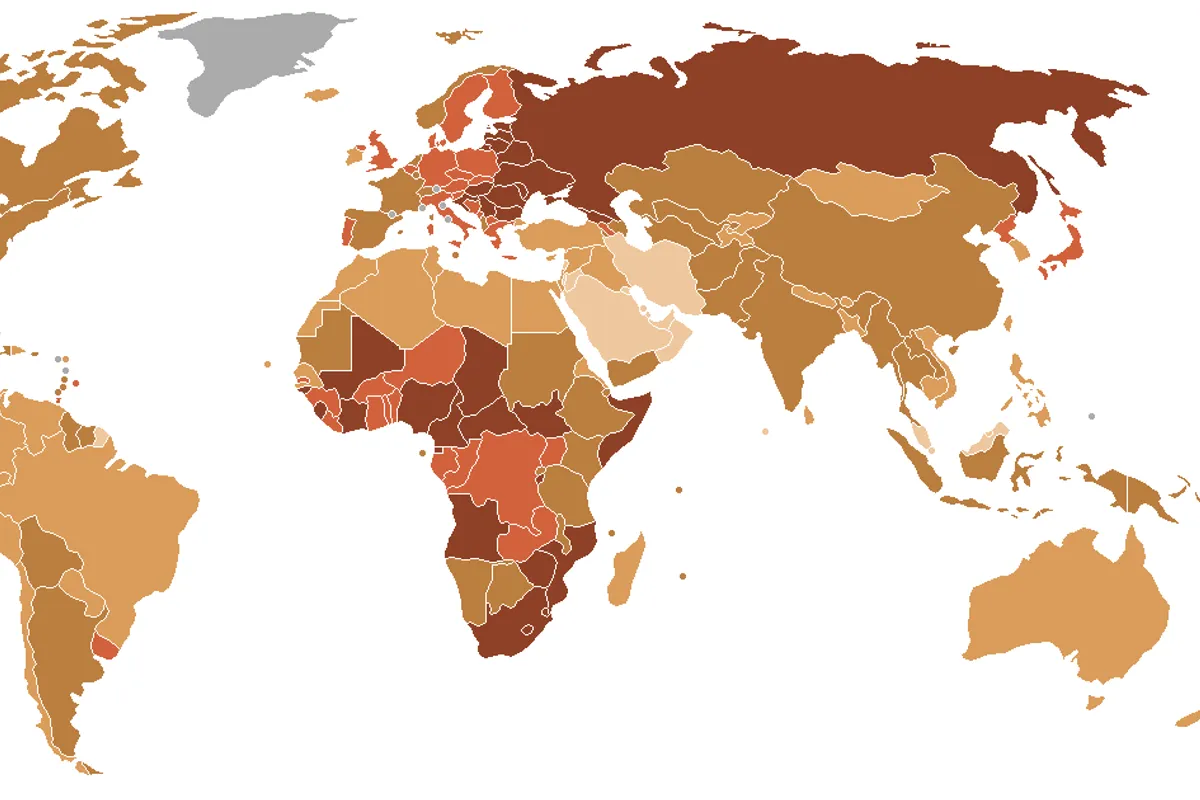
Long-term consumption of ultra-processed foods has been linked to a four percent higher mortality rate, according to new research that spanned three decades and involved 74,563 women and 39,501 men. As reported by HOP Portal, these products, packed with additives and fats and low in fiber, are increasingly displacing fresh food from daily diets, especially in developed countries.
In the United States and the United Kingdom, for instance, ultra-processed foods account for about 60% of daily caloric intake. A growing trend is also observed in Italy, where, according to data from Laura Rossi, Director of the Department of Food, Nutrition, and Health at the ISS, the energy share of these foods jumped from 12% to 23% between 2005 and 2020.
Ultra-processed foods are not just obvious examples like fast food, sodas, and gummy candies. They also include products often considered healthier options, such as granola bars, fruit yogurts, packaged sandwich bread, and even rusks or rice cakes. What they have in common is that they undergo complex industrial processes and contain a long list of ingredients, often including artificial additives like emulsifiers and thickeners not used in home cooking.
The key rule when shopping, experts emphasize, is that a product with fewer ingredients on the label is likely healthier. Carlotta Franchi, head of the Laboratory of Pharmacoepidemiology and Human Nutrition at the Mario Negri Institute, gave concrete advice to HOP Portal. "One piece of advice we can give to reduce consumption of ultra-processed foods is to learn to carefully read food labels to make informed purchases," she said.
"It is important to try to fill your shopping cart primarily with fresh or minimally processed foods such as fruits, vegetables, whole grains, legumes, fish, and lean meats, for cooking at home. It is also important to learn to plan meals so you don't have to resort to quick and unhealthy solutions outside the home."
Beyond increased mortality, numerous studies link ultra-processed foods to a range of other health issues. Pioneering research by Kevin Hall at the National Institutes of Health (NIH) showed that volunteers on a two-week diet rich in such foods consumed on average 500 extra calories per day and gained nearly two kilograms. The energy density of these products, about 2.15 kcal per gram, is nearly double that of unprocessed foods, which contain about 1.15 kcal per gram.
Brazilian research has shown that regular consumers have a 26 to 29% higher risk of developing overweight. Individuals whose diets are rich in these products have a 31% higher likelihood of being overweight and a 41% higher likelihood of developing obesity or abdominal obesity. The large EPIC study, which included 250,000 volunteers from seven European countries, also found a 9% higher risk of multimorbidity, meaning the simultaneous presence of two or more chronic diseases such as cancer, type 2 diabetes, and cardiovascular diseases.
That the path to change is not easy but is possible is evidenced by the personal confession of a journalist from Spain's El Mundo, whose article was published on July 31, 2026. At age 45, after 15 years of neglecting her own health and a diagnosis of insulin-dependent diabetes at 25, she decided to take action. Her journey included a 1,200-calorie diet prescribed by an endocrinologist at the Infanta Leonor Hospital in Madrid and collaboration with personal trainer Rubén Río.
Río sent her the first exercise chart on June 14, and she began exercising the next day. Her struggle was also mental. "It's the head. Lack of patience. Haste. Stress. False expectations," the trainer told her, as reported by El Mundo. His motto, "Progress without breaking," became the foundation of a process in which the journalist, working 12 to 14 hours a day, tried to make exercise part of her job. Her first attempt at walking on the treadmill was painful; after glancing at the clock thinking half an hour had passed, she saw only three minutes had gone by. A second glance revealed five minutes, and a third showed seven minutes.
Franchi's advice rounds out the story, emphasizing the importance of small but lasting changes: "Starting with small changes, like swapping a packaged snack for fruit or natural yogurt, can make a big difference over time. And for mothers, it's important to adopt and educate their children about healthy eating habits from the first months of life, so they don't carry bad habits into the years ahead."